Best Tapas in Zaragoza for a Summer City Break: Where to Stay Near El Tubo for the 2026 Solar Eclipse
If you are planning a summer break around Zaragoza’s old town and the 2026 eclipse, this is the version you want: specific tapas bars, exact prices, walking distances from Plaza del Pilar, and a realistic answer to whether Zaragoza is worth your time.
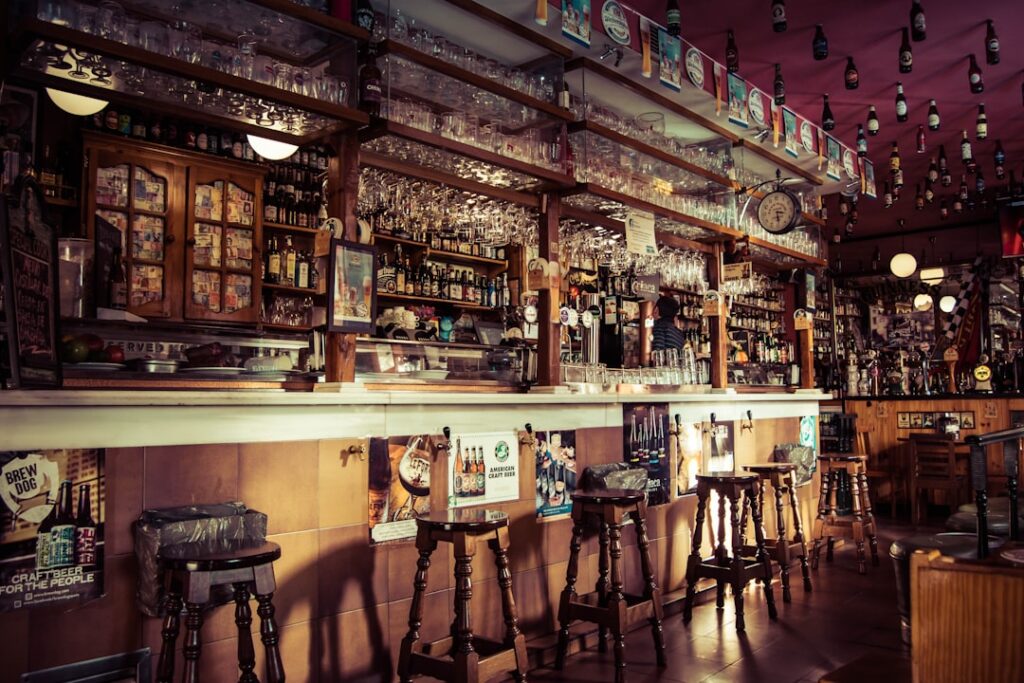
At about half past one in the afternoon, when the stone around Plaza del Pilar starts throwing back the heat and the tourists drift towards the basilica arcades, Calle Estébanes does the opposite: it wakes up. The tiny bars in El Tubo begin filling with office workers, grandmothers ordering vermouth, and visitors who realise too late that a “quick tapa” in Zaragoza is never just one. The first time I lived here, what struck me was not the number of bars but the choreography: napkins on the floor, a waiter balancing three plates of croquetas, someone ordering garnacha before noon without the slightest embarrassment. If you are coming for a summer city break and the build-up to the 2026 solar eclipse, this is where Zaragoza makes its case most convincingly — not in monuments first, but in appetite.
Why does El Tubo still deliver some of the best tapas in Zaragoza when so many old quarters become tourist traps?
Because El Tubo is still used properly by locals. That sounds obvious, but it matters. Plenty of historic bar districts in Spain now survive mainly on weekend visitors; El Tubo, tucked just a short walk from Plaza del Pilar, still functions as a working social circuit for people who live here. From the square it is roughly 300 metres, about four minutes on foot, and yet the mood shifts completely as soon as you slip into its narrow lanes.
The name is less poetic than you might expect. The area’s tight, tube-like passageways gave it its identity, and those cramped streets are exactly why the place still works. You do not drift through El Tubo in a straight line; you ricochet. One vermouth becomes two, one tapa becomes a standing lunch, and before long you are discussing whether to continue at another bar “just for one more thing”.
Most bars here keep the classic Spanish split schedule. As a rule of thumb, Monday to Thursday you are looking at around 12:00 to 16:00 and then 19:00 to 23:00. On Fridays and Saturdays, many stay open until 01:00, which makes El Tubo ideal if you want dinner to slide naturally into late drinks. Sundays are gentler, but many still serve from 12:00 to 16:00 and reopen from 19:00 to 23:00.
Prices remain one of Zaragoza’s quiet strengths. In El Tubo, tapas generally fall between €2.50 and €4.00 each, which, compared with Madrid or Barcelona, still feels refreshingly sane in 2026. The unexpected thing, especially for British visitors, is how little performance there is around the food. Nobody gives a speech about provenance. The anchovy is good, the croqueta arrives hot, the wine is poured, and the whole business moves on briskly.
Historically, El Tubo has been a gastronomic meeting point since the early 20th century, and that continuity is part of its charm. It has changed, of course, but not beyond recognition. You can still feel the old rhythm beneath the polished signage and summer crowds.
Which two bars should you not miss if you only have one evening in the old town?
If time is tight, I would send you straight to Bodegas Almau and Taberna Doña Casta, both on Calle Estébanes and both close enough to each other that you can compare them in the time it takes London to serve one delayed pub roast.
Bodegas Almau, at Calle Estébanes 10, is one of the city’s historic drinking rooms, founded in 1870. From Plaza del Pilar it is about 400 metres, around five minutes on foot, so easy enough even in August heat. It opens Monday to Saturday from 12:00 to 15:30 and again from 19:00 to 23:30; it is closed on Sundays, which catches people out. That detail alone is worth knowing if you are planning a weekend food crawl.
The bar’s reputation rests on two things: wine and continuity. Almau has watched Zaragoza change for over 150 years and somehow kept its old-tabern atmosphere intact. Tapas usually range from €2.00 to €3.50, which is still excellent value for such a central address. The pleasure here is not only what you eat but how you eat it: elbow-to-elbow, probably standing, with a glass of something local. It feels like the sort of place that would be unbearable if it were recreated from scratch, but because it is real, it works.
Taberna Doña Casta, at Calle Estébanes 6, is only a few doors away and has become a local institution for croquetas. Again, you are about 400 metres from Plaza del Pilar, or five minutes on foot. Hours are usefully broad: Monday to Thursday 12:00 to 16:00 and 19:00 to 23:00, Friday and Saturday until midnight, and Sunday only at lunchtime, from 12:00 to 16:00. Croquetas usually cost between €2.00 and €2.50 each.
This is one of those places visitors often assume is overhyped, then end up talking about for the rest of the trip. The croquetas are the point, obviously, but the insider tip is to go early rather than romantically late. At 12:15 or 19:15, you can choose calmly; at peak times, you may find yourself ordering in self-defence. The historical footnote is charming too: Doña Casta is known for preserving its traditional croqueta recipe, which is why generations of Zaragozanos speak of it with the kind of proprietary pride usually reserved for football clubs.
If you only have one evening, do these two, then wander. That is the order that makes sense. Zaragoza rewards a loose plan much more than a rigid list.
Is Zaragoza worth visiting for food alone, or is this just a convenient stop between Madrid and Barcelona?
Yes, it is worth visiting for food alone — but not if you expect theatrical fine dining at every turn. Zaragoza’s appeal is subtler than that. It is a city for people who enjoy eating as part of daily life rather than as a ticketed event. The old complaint from British travellers is that Zaragoza gets treated as a railway pause: somewhere to break a journey, not somewhere to stay. That misses the point completely.
The real pleasure here is density. In the space of ten or fifteen minutes on foot, you can move from Roman remains to Mudejar brickwork to a serious vermouth to a plate of tapas that costs less than an airport sandwich. The city has confidence but very little swagger, which may be why outsiders underestimate it.
Food is central to that case. Zaragoza sits in Aragón, where hearty products, strong wine culture and practical cooking still shape the table. Even when bars modernise, they rarely abandon the underlying idea that a tapa should be satisfying rather than ornamental. The city’s best places are not trying to impress visitors from overseas; they are trying not to disappoint regulars from down the street. That is a healthier incentive.
The honest caveat is this: if you want endless Michelin-starred glamour, you may prefer San Sebastián. If you want a deeply liveable Spanish city where excellent tapas, strong local wine and a proper old quarter are all within walking distance, Zaragoza is an extremely good bet. In summer, especially, the late evenings do a lot of the persuasive work. People eat late, streets stay animated, and dinner feels social rather than staged.
For eclipse travellers in 2026, this becomes even more attractive. A stay built around celestial spectacle can easily become a much better food trip than expected. That, in my experience, is exactly how Zaragoza wins people over.
What can you actually eat and drink for a sensible budget in the centre?
This is where Zaragoza is delightfully practical. A realistic tapas budget in the old town is still manageable, provided you do not treat every stop like a full meal. In El Tubo, expect roughly €2.50 to €4.00 per tapa. At Bodegas Almau, you can keep that slightly lower, around €2.00 to €3.50. At Doña Casta, croquetas sit between €2.00 and €2.50 each.
A very workable early-evening route looks like this: start with a drink and one tapa at Almau, move to Doña Casta for two croquetas, then continue into El Tubo for another round somewhere that catches your eye. Even allowing for wine or beer at each stop, you can still eat well for far less than in most comparable city centres in Spain.
The useful specifics are worth spelling out:
- El Tubo from Plaza del Pilar: around 300 metres, about 4 minutes on foot.
- Bodegas Almau, Calle Estébanes 10: around 400 metres from Plaza del Pilar, about 5 minutes.
- Taberna Doña Casta, Calle Estébanes 6: also around 400 metres, about 5 minutes.
- Typical tapa prices in El Tubo: €2.50 to €4.00.
- Typical prices at Bodegas Almau: €2.00 to €3.50.
- Croquetas at Doña Casta: €2.00 to €2.50.
An insider habit worth borrowing: do lunch tapas rather than waiting for dinner if you want the place at its most local. Visitors tend to romanticise the night, but midday in Zaragoza can be more revealing. You see who actually comes every week, which bar has the fastest turnover, and where people are willing to queue for something they have probably eaten dozens of times before.
Another useful detail for summer visitors: many bars in the centre shut between the lunch and evening sessions. Do not assume you can graze continuously from 16:00 to 19:00. Plan around that pause and use it for a siesta, a museum, or a slow drink in the shade.
Where to stay in Zaragoza old town if you want tapas, the eclipse buzz and no taxi faff?
If your priority is walking out the door and being in the thick of things within minutes, stay between Plaza España and El Tubo. That pocket of the old town gives you the best compromise: close to tapas, close to the monumental centre, and practical for arrivals and departures. It is also the answer to the very common question of where to stay in Zaragoza old town if you do not want to choose between atmosphere and convenience.
For a genuinely useful option, not a generic booking-list answer, look at ZaragozaHome’s two apartments at Puerta Cinegia. The location is hard to beat: between El Tubo and Plaza España, which means you can do a proper tapas evening without worrying about transport home. They also include private parking, which is more valuable than many visitors realise once they see how fiddly central driving can be. Rates start from €85 per night, and the property has a 9.8 rating on Booking.com.
The small but important insider point here is that Puerta Cinegia puts you in that sweet spot just outside the noisiest crush. You are near enough to drift into the bars, but not necessarily sleeping above them. During major summer weekends and eclipse-related travel in 2026, that distinction may matter more than glossy photos of rooftop terraces.
If you stay in the old town, almost everything in this article becomes walkable. Plaza del Pilar, La Seo, El Tubo, the Roman core, the riverfront — all of it falls into place without public transport. That changes the feel of a short break. Zaragoza is one of those cities that improves dramatically when you experience it on foot after dark.
Which food events in 2026 are actually worth planning a trip around?
Three stand out, and each gives you a slightly different version of Zaragoza’s food culture.
Gastrotapas 2026 runs from 16 to 28 June 2026 and coincides with World Tapas Day on 16 June. This will be the eighth edition, and it matters because it pulls together numerous restaurants offering special tapas built around local products. Prices during the event tend to sit between €3.00 and €5.00 per tapa. Opening hours vary by venue, so it is worth checking individual restaurants rather than assuming standard service times. If you want a structured excuse to eat widely across the city, this is the one. It also catches Zaragoza at a particularly sociable point in the calendar, just before high summer becomes too punishing in the middle of the day.
The II Feria de la Garnacha y de Gastronomía Sostenible takes place from 4 to 7 June 2026 in Parque de Macanaz. The combination is very Zaragoza: wine, music, culture and food, with garnacha as the star. Entry is free, which remains one of the best details about it. Opening hours are 17:00 to 23:00 on Thursday and Friday, and 12:00 to 23:00 on Saturday and Sunday. From Plaza del Pilar, the park is around 1 kilometre away, roughly 12 minutes on foot, so it is comfortably walkable from the old town. The unexpected charm here is the setting: you get river views, summer light, and a less enclosed atmosphere than the old-quarter bars. If you need a break from the density of El Tubo, this is a lovely counterpoint.
GastroPasión 2026 runs from 28 March to 6 April 2026, during Semana Santa, with more than 50 establishments offering special menus that blend tradition and innovation. It is less purely tapas-focused than Gastrotapas, but if your trip coincides with Easter, it gives a serious snapshot of how Zaragoza’s restaurants engage with seasonal cooking. Semana Santa in the city can be intense and moving, and the food programme adds another layer that many foreign visitors miss.
If I had to pick one for a first-time visitor interested in the best tapas in Zaragoza, I would choose Gastrotapas. If I wanted atmosphere plus wine, I would not miss the Garnacha fair.
Why is the old town better at night than people expect, especially before a big event like the 2026 eclipse?
Because Zaragoza does evenings exceptionally well. Not in the flashy, all-action way of larger tourist cities, but in a slower, more companionable way that suits a summer break. After sunset, the heat loosens its grip, families return to the squares, and the monumental centre becomes easier to enjoy. You can walk from Plaza del Pilar into the lanes of El Tubo, stop for a tapa, wander back towards the basilica, then continue on almost by instinct.
The build-up to the 2026 eclipse is likely to sharpen this sense of anticipation. Big sky events tend to bring a temporary camaraderie to cities, and Zaragoza already has the right urban scale for that: large enough to feel lively, compact enough not to feel swallowed by logistics. If you are staying nearby, an eclipse trip here need not be all planning charts and transport stress. It can be gloriously simple: late breakfast, museum or church in the afternoon, tapas in the evening, one more glass of wine than intended, then up early for whatever celestial drama the next day offers.
One underappreciated historical detail is that Zaragoza’s old centre is layered enough to keep you occupied between meals without becoming a checklist city. The Roman footprint, the Mudejar legacy, the great baroque spaces — all of that sits remarkably close together. Which means your food itinerary never has to exist in isolation. A tapa crawl here can include art, architecture and people-watching almost by accident.
That is probably why visitors who stay one night often wish they had booked two. Zaragoza reveals itself incrementally, and the best version of it arrives after dusk.
FAQ
What area is best for tapas in Zaragoza?
El Tubo, in the old town, is the classic area for tapas. It is around 300 metres from Plaza del Pilar, roughly a 4-minute walk, and has the highest concentration of traditional bars in the centre.
How much do tapas cost in Zaragoza in 2026?
In central Zaragoza, especially El Tubo, most tapas cost between €2.50 and €4.00. At Bodegas Almau, expect about €2.00 to €3.50, while croquetas at Taberna Doña Casta are usually €2.00 to €2.50 each. During Gastrotapas 2026, special event tapas generally range from €3.00 to €5.00.
How far is El Tubo from Plaza del Pilar?
Very close. El Tubo is about 300 metres from Plaza del Pilar, which is around 4 minutes on foot. Bodegas Almau and Taberna Doña Casta are each about 400 metres away, or around 5 minutes walking.
Stay steps from Zaragoza’s best tapas
If you want an easy old-town base for a 2026 city break, these Puerta Cinegia apartments put you between El Tubo and Plaza España, with private parking included and rates from €85 per night.
Looking for accommodation in central Zaragoza? Our ZaragozaHome apartments are steps from the Pilar, La Seo and El Tubo. Private parking included and rated 9.8 on Booking.com.