Best tapas in Zaragoza in spring: where to stay in the Old Town for easy access to El Tubo
Spring is when Zaragoza really makes sense: terraces reappear, the old streets around El Tubo fill up before lunch, and a proper tapas crawl can still cost less than one cocktail in Madrid. Here’s where to eat, what to order and where to stay in the Old Town so you can walk everywhere.
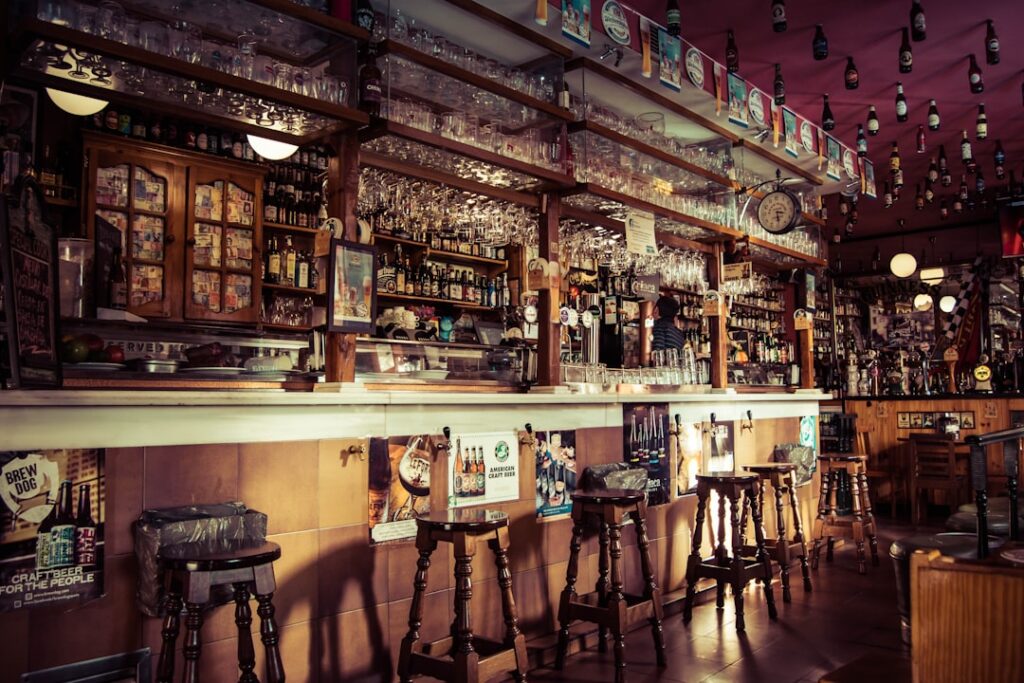
At about half past one on a warm April Saturday, the little stretch between Plaza Santa Marta and El Tubo starts to sound like glasses chiming in layers. Not loud, exactly, just busy in that very Aragonese way: people leaning on barrels, ordering one more vermouth, debating where the tortilla is better today. The first time I realised spring was the right season for Zaragoza was not beside the basilica, but standing outside a tapas bar with a plate balanced on one hand and the scent of fried peppers drifting down a narrow lane that still looked half asleep ten minutes earlier.
If you are wondering whether Zaragoza is worth visiting, the honest answer is yes, especially in spring, and especially if you like eating as a way of understanding a place. The city is compact, the historic centre is walkable, prices are still refreshingly sane, and the best tapas in Zaragoza are close enough together that you can improvise. Stay in the Old Town, keep your afternoons loose, and let El Tubo pull you in rather than treating it as a checklist.
Why does spring suit Zaragoza better than summer if you are here for tapas?
Because you can actually enjoy walking between bars. In July and August, Zaragoza’s dry heat can flatten even the best intentions by mid-afternoon. In spring, by contrast, the city becomes sociable. Tables spill into squares, the light lingers on the stone façades around La Seo and the Pilar, and a tapas crawl feels pleasantly unhurried rather than like an endurance test.
This matters more in Zaragoza than many first-time visitors expect. The pleasure here is not just what lands on the plate, but the rhythm of moving from one bar to another: one montadito standing up, one vermouth in a square, one plate to share somewhere with more elbow room. In April and May, you can do that at local pace. Lunch starts late by British standards, often after 1pm, and the pre-dinner round can drift well past 8pm without anyone thinking much of it.
There is another practical advantage. Spring brings some of the city’s most interesting food events. In 2026, GastroPasión runs from 28 March to 6 April, tying into Semana Santa with seasonal dishes and a more thoughtful, tradition-led approach than the average food festival. GastroTapas follows from 16 to 28 June, beginning on World Tapas Day and turning the miniature format into a city-wide excuse to keep nibbling. If you are the sort of traveller who likes a trip to coincide with something tangible, those dates are noteworthy.
One local detail visitors often miss: many bars are busiest not at night but around vermouth hour. If you want that sweet spot between lively and impossible, aim for roughly 1pm or just after 8pm. Leave it until 2.30pm on a Sunday and you may spend more time edging between shoulders than eating.
Which bars actually serve the best tapas in Zaragoza, not just the most famous ones?
Fame and quality overlap in Zaragoza, but not perfectly. The trick is to mix institutions with places that still feel rooted in daily life. Three classics in the Old Town remain worth your time, and each has a slightly different mood.
Bar El Circo, on Calle Jerónimo Blancas, 4, is one of those addresses that locals mention without needing to explain where it is. From Plaza del Pilar it is about a five-minute walk, close enough to fold into any central wander. It opens daily from 12:00 to 23:00, which makes it unusually useful if your timing goes wrong. Tapas run at roughly €2 to €4, and you can eat well for around €10 a head. The house speciality is tortilla de patata, and this is one of those cases where the obvious order is the right order. The place has the air of an institution because it is one: traditional, busy, reassuringly uninterested in trends.
Bar El Lince, in Plaza de Santa Marta, works best if you like old-school bar culture with a bit of character. It is about seven minutes on foot from Plaza del Pilar and opens Monday to Saturday from 12:00 to 23:00; it closes on Sundays, which is exactly the sort of detail people forget until they arrive hungry. Tapas are around €2, though the average spend is closer to €15 if you stay for a second round and a drink. The thing to order is the montadito Guardia Civil, a crisp little combination of lomo and pepper in bread that sounds almost too simple until you taste how well it works.
La Republicana, on Calle Casto Méndez Núñez, 38, sits in that happy zone between El Tubo and Plaza Santa Marta, about six minutes from Plaza del Pilar. It opens every day from 12:00 to 23:00 and remains one of the easiest recommendations for visitors who want atmosphere without feeling trapped in a tourist performance. Expect popular prices and a spend of around €10 per person. Part of its appeal is visual: vintage décor, old photos, objects on the walls, a slight sense that you have walked into a memory rather than a concept.
The point is not to crown a single winner. The best tapas in Zaragoza are best experienced as a sequence. Start with tortilla at El Circo, move towards Santa Marta for a montadito at El Lince, then drift into La Republicana when you want something a little more linger-worthy. That gives you three distinct versions of Zaragoza within a short walk.
How easy is it to do a proper tapas crawl from Plaza del Pilar to El Tubo on foot?
Very easy, which is one of Zaragoza’s great strengths and one reason the city works so well for a short break. British visitors often assume they will need taxis more than they actually do. In the Old Town, you can treat the main tapas areas as one extended district.
From Plaza del Pilar, Bar El Circo is about five minutes on foot, La Republicana roughly six, and El Lince around seven. That may sound trivial on paper, but it changes the shape of a trip. You can spend the morning at La Seo or the Roman remains, stop for vermouth, wander into El Tubo for lunch, retreat for a siesta or a proper coffee, then return in the evening without any logistical drama.
El Tubo itself is less a single street than a knot of narrow lanes in the historic centre where bars bunch tightly together. Its reputation is deserved, but people sometimes imagine something larger and more theatrical than it is. In reality, it is compact, intimate and best discovered slowly. The best plan is not to pin all your hopes on one bar. Choose an area, keep one or two target stops in mind, and let the rest happen.
An insider tip: footwear matters more than you think. The paving in the centre is attractive but uneven in places, and if you spend the day crossing from the Pilar to Santa Marta to El Tubo and back again, flimsy shoes start to feel like a mistake by early evening. Another practical point is that Sunday can be brilliant for atmosphere around the centre, but remember that El Lince is closed, so adjust your route accordingly.
If you are staying centrally, the city after dark remains manageable on foot. That is part of Zaragoza’s charm. You do not need a big “night out” mentality here. A few excellent bites, a short stroll through old streets, and perhaps one last drink under the glow of the plazas is enough.
What should you order if you want to eat like someone who has been coming here for years?
Order the thing the bar is known for first, then improvise. It sounds obvious, but visitors often overcomplicate tapas in Zaragoza, hunting novelty when local bars usually built their reputation on a handful of dependable favourites.
At El Circo, start with the tortilla de patata. The bar is famous for it for a reason, and in a city with strong opinions on tortillas that counts for something. At El Lince, go straight for the Guardia Civil montadito, with lomo and pepper. It is a classic bite of the sort that makes sense with beer, vermouth or wine and does not need explaining beyond “trust me”. At La Republicana, allow yourself a slower stop. The décor encourages lingering, and it is one of those places where the overall mood is part of the meal.
More broadly, Zaragoza rewards appetite over fussiness. This is not the kind of tapas scene where every dish arrives tweezed and narrated. You are more likely to remember the crackle of bread, the salt on a hot snack, the way one small bar feels entirely different from another only a few minutes away. If you drink wine, spring is also a good moment to look beyond the obvious by-the-glass choices. The city has easy access to strong regional wine culture, and the calendar reflects that. The XXII Muestra de Garnachas, from 6 to 8 May 2026, brings together 12 wineries from the DO Campo de Borja, which is useful context if you are trying to understand why local wine lists matter.
A final local habit worth copying: do not order everything at once if you are planning several stops. One or two items, one drink, move on. Zaragoza’s tapas culture is cumulative. The pleasure lies in contrast between bars, not in doing all your eating in the first one.
Where to stay in Zaragoza old town if you want El Tubo on your doorstep?
If your priority is food and walkability, stay in the Old Town and be strict with yourself about it. This is one of those trips where location genuinely shapes the experience. If you stay out by the station or in a newer district, you can still visit the centre easily enough, but you lose the spontaneous rhythm that makes Zaragoza enjoyable: popping out for a late vermouth, returning after a rest, heading back into the lanes when the evening begins to gather.
The best area is the stretch between Plaza España, El Tubo and the streets that lead towards Plaza del Pilar. From there, you can walk to the city’s classic bars in minutes, and you are also well placed for churches, museums and the market. For travellers asking where to stay in Zaragoza old town, this little central patch is the practical answer as much as the atmospheric one.
One genuinely useful option is ZaragozaHome at Puerta Cinegia, right between El Tubo and Plaza España. It has two apartments, private parking included, a 9.8 rating on Booking.com, and prices from €85 per night. That combination is unusually convenient in the centre, especially if you are driving and do not want to wrestle with Old Town parking after dinner. It also means you can do the ideal Zaragoza day: coffee, sightseeing, long lunch, rest, evening tapas, all without needing transport.
If you prefer hotels, look for somewhere close enough that Plaza del Pilar and El Tubo both feel like easy walks rather than separate outings. In Zaragoza, ten minutes on a map can mean the difference between “we’ll go back out later” and “let’s just stay in”.
Is Zaragoza worth visiting just for food, or do you need more reasons?
Just for food? Honestly, yes, though the city gives you more than that. Zaragoza does not have Barcelona’s instant glamour or San Sebastián’s international food fame, and that is partly why it remains such a satisfying place to visit. People come with modest expectations and leave slightly puzzled that nobody insisted more strongly.
For British travellers in particular, Zaragoza makes sense because it is manageable. You can do a lot without overplanning. There is major architecture, Roman and Mudéjar history, excellent churches, handsome squares, and a lived-in rather than stage-set old centre. Yet the city still feels like somewhere people actually use, not a heritage zone emptied out for tourists.
The food is central to that. Tapas here are not a side attraction tacked onto a sightseeing itinerary. They are part of how the city moves. Even the calendar makes that clear. In 2026, Menú del Día runs from 14 January to 10 February, focusing on traditional cooking and representative set menus across Zaragoza. The Premios Horeca follow from 12 February to 15 March, with a gala on 23 March recognising excellence and innovation in local hospitality. In October, PilarGastroWeek, from 10 to 18 October, folds gastronomy into the Fiestas del Pilar with special menus in participating venues. These are not random add-ons; they reflect a city that takes eating seriously without becoming pretentious about it.
If you happen to be there in late March and early April, you may also notice a very different energy around the city thanks to The Champions Burger at the Expo zone, running from 18 March to 5 April 2026 with free entry, California-inspired styling and more than 15 restaurants serving smash burgers. It is not traditional Zaragoza by any means, but it shows the city’s range. You can spend lunch eating a classic montadito in the Old Town and the evening at a large contemporary food festival by the river.
So yes, Zaragoza is worth visiting. Not because it needs defending, but because it quietly does several things very well at once. Few Spanish cities offer this combination of walkability, value, strong local food culture and lack of tourist fuss.
Which food events in spring 2026 are actually worth planning a trip around?
If your timing is flexible, spring 2026 gives you several good excuses. The most obviously relevant for tapas lovers is GastroPasión, from 28 March to 6 April, which aligns with Semana Santa and usually brings together tradition, local product and more creative cooking than you might expect from a seasonal event. It is a good time to see Zaragoza’s food scene at its most self-aware.
The Champions Burger, from 18 March to 5 April in the Expo area, is a completely different proposition: free entry, over 15 participating restaurants, and a west-coast American visual theme. If that sounds a bit far removed from classic tapas bars, it is. But if you are in town for several days, it adds contrast and shows how the city’s food culture now stretches beyond the old centre.
The real tapas-focused date is GastroTapas, from 16 to 28 June 2026, kicking off on World Tapas Day. If your main objective is sampling small-format dishes across many venues, this is the one to circle. By then the weather can be properly hot, but evenings remain lively and the event gives structure to your wandering.
Wine drinkers should keep an eye on the XXII Muestra de Garnachas, 6 to 8 May 2026, with 12 wineries from Campo de Borja. Even if you are not a dedicated oenophile, it adds useful context to the glasses being poured alongside your tapas elsewhere in town.
My own preference? Late March into April is the sweet spot. The city looks good, terraces are active, and the pace of eating and walking is close to perfect.
FAQ
What is the best area to stay in for tapas in Zaragoza?
The Old Town, especially between Plaza España, El Tubo and Plaza del Pilar. It lets you walk to the main tapas bars in minutes and makes it easy to go out more than once a day.
Are tapas expensive in Zaragoza?
Not by the standards of Spain’s better-known food cities. At Bar El Circo, for example, tapas are about €2 to €4, with an average spend of around €10 per person. At El Lince, tapas are around €2, though many people spend closer to €15 with drinks.
How many days do you need in Zaragoza for food and sightseeing?
Two nights is enough to understand the centre and do several good tapas stops. Three nights is better if you want a more relaxed rhythm, time for churches and museums, and perhaps one of the city’s food events.
Stay in the heart of Zaragoza’s tapas quarter
If you want El Tubo, Plaza España and the Old Town on your doorstep, these Puerta Cinegia apartments make an excellent base. Private parking, central location and enough comfort to turn a tapas weekend into a very easy decision.
Looking for accommodation in central Zaragoza? Our ZaragozaHome apartments are steps from the Pilar, La Seo and El Tubo. Private parking included and rated 9.8 on Booking.com.