Zaragoza City Break in Autumn 2026: El Tubo Tapas, Local Flavours and Where to Stay in the Old Town
Autumn is when Zaragoza makes most sense: Pilar week spilling into the streets, vermouth in El Tubo, and an old town compact enough to do on foot. Here’s how to plan a smart, flavour-led city break in 2026.
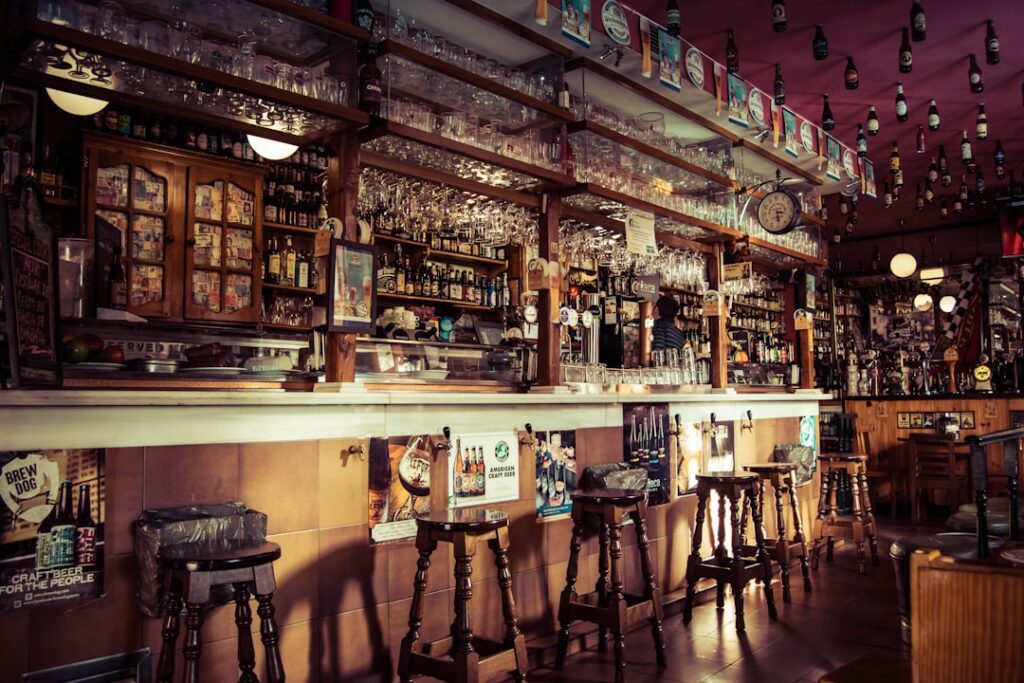
At around nine in the evening, just as the stone of Plaza del Pilar begins to lose the day’s heat, you can hear two Zaragozas at once: the bells from the basilica and, a few streets away, the clatter of plates being ferried through El Tubo’s impossibly narrow lanes. Autumn envelops the city in a particular charm. While the Fiestas del Pilar from 10 to 18 October 2026 draw crowds, the season stretches beyond, encompassing memories of spring flowers, November jazz sessions, and the old town’s leisurely rhythm of late lunches and lingering evening conversations over wine. If you’re contemplating a Zaragoza city break, autumn is the moment to discover its true allure.
Is Zaragoza worth visiting for a weekend, or is it just a stop between Madrid and Barcelona?
Yes, it is worth it, but probably not for the reasons people first imagine. If you come expecting a checklist city with one blockbuster sight after another, Zaragoza can initially seem understated. What it offers instead is something rarer in Spain now: a major historic city that still feels lived in, affordable and slightly under-discussed.
The old town is compact, walkable and dense with Roman, Mudéjar, Renaissance and baroque layers, yet you are never trapped in a purely tourist script. Office workers still crowd the bars at aperitivo hour. Families still use the squares. On a good autumn weekend, you can spend the morning in a palace built by an 11th-century taifa king, the afternoon looking at Goya, and the evening eating excellent tapas without paying Madrid or San Sebastián prices.
There is also a practical advantage that British travellers tend to appreciate once they are here: Zaragoza is easy. The Basílica del Pilar is in the historic centre, the Museo Goya is only about 500 metres away, roughly a seven-minute walk, and the Aljafería is around 1.5 kilometres from the centre, about 20 minutes on foot. You do not spend half your city break commuting between attractions.
Autumn 2026 gives the city extra momentum. The Fiestas del Pilar return from 10 to 18 October, and they are not some invented heritage week but one of the big civic festivals in Spain, recognised as being of International Tourist Interest since 2019. In November, the Festival de Jazz de Zaragoza runs from 12 to 22 November at the Sala Multiusos of the Auditorio Princesa Leonor, with names including Kurt Elling and Paquito D’Rivera. If you like cities that reveal themselves over meals and walks rather than through queues, this is a very strong bet.
Why does El Tubo feel more exciting in autumn than in any other season?
Because in autumn El Tubo returns to its natural scale. In high summer, Zaragoza’s heat can flatten appetite until late evening, and the city’s famous tapas quarter can feel like somewhere you endure before enjoying. By October and November, it works as intended: a network of little streets between Plaza España and the cathedral quarter where you drift from one bar to another, stopping not because a guidebook told you to but because somewhere looks busy in the right way.
El Tubo is not a single street but a cluster, and the best approach is to stop trying to “do” it properly. Have one thing and move on. Stand at the bar. Accept that you will eat later than at home. If you can, avoid the busiest crush immediately after major festival events during Pilar week; go slightly earlier for lunch, or later once the first wave has moved on.
One dependable local address is El Loro, on Calle de Ildefonso Manuel Gil. It keeps notably useful hours for grazers and late starters: 8:30 to 15:00 and 17:00 to midnight, with weekends stretching to 2:30. It is the kind of place people remember for robust cooking rather than polished trendiness: callos picantes, carrilleras, pulpo and a guisado de rabo de toro that feels made for cooler weather. This is exactly the sort of bar that makes an autumn Zaragoza city break persuasive: hearty food, no ceremony, proper local life around you.
My usual advice is to begin with vermouth or wine, then treat tapas almost as punctuation marks. The old town’s lanes are short, so if a bar feels too crowded, simply turn a corner. That may sound obvious, but it is one of Zaragoza’s gifts. In many famous tapas districts, escape means a taxi. Here, escape is thirty seconds away.
Autumn also sharpens the city’s appetite calendar. Around Pilar, food stalls, family meals and packed bars push the entire centre into festive mode. On 8 October 2026, just before the main feast days properly peak, Casa Vero brings a music-and-gastronomy event to Espacio Aura with artists including Sexy Zebras and Barry B. It is a reminder that the city’s food culture is not frozen in tradition; there is always a contemporary layer humming underneath.
What should you actually eat in the old town if you want local flavour rather than generic tapas?
Order like the weather matters. In autumn, Zaragoza’s food makes most sense when it is a little substantial. This is not the season to live entirely on croquetas and pan con tomate, though there is nothing wrong with either. Look for slow-cooked dishes, offal if you like it, roast flavours, mushrooms when they appear, and anything linked to Aragón’s strong tradition of stews and preserved meats.
At El Loro, the callos picantes are the obvious cold-weather order, and the carrilleras are another smart choice. Pulpo gives you something lighter in the sequence if you are moving between bars, while the oxtail stew has the kind of depth that makes you want red wine even if you had planned on beer. This is one of those places where the house seems to understand that appetite in Zaragoza is not theoretical. People come to eat properly.
A useful local habit is to divide the evening into two acts: a first drink with one or two tapas in El Tubo, then either settle somewhere more substantial or continue bar-hopping in smaller portions. The city is not doctrinaire about how you eat, and that flexibility is part of its charm. You can be serious about food without making dinner feel like a project.
There is also a seasonal sweetness to autumn in Zaragoza that visitors often overlook. During Pilar week, stalls and bakeries fill up with festival treats, and the city’s squares become places to graze as much as to sightsee. If you happen to be in town earlier in the autumn run-up, the first cooler nights make even simple things feel better: a small plate of jamón with bread, olives and a decent garnacha from Aragón can be enough.
For British readers used to over-curated food districts, Zaragoza is refreshing because the pleasure is not over-explained. Good bars are judged by noise level, turnover and whether locals are elbowing in for one more plate. Follow that instinct and you will eat very well.
Which sights are genuinely worth your time on a short break, and what are the real opening hours and prices?
If your time is limited, there are three essentials that fit neatly into the old town rhythm, and the helpful thing is that the practical details are refreshingly straightforward.
The Basílica del Pilar is open daily from 6:45 to 20:30 and entry is free. Even people who think they are not “church travellers” should go, ideally twice: once early, when the square still feels half-asleep, and once after dark, when the building becomes theatre. Historically, the site matters far beyond Aragón. It is regarded as the first Marian temple in Christendom, tied to the tradition that the Virgin Mary appeared here to the apostle Santiago in AD 40. You do not need to be religious to feel the weight of that story in a place so central to Spanish devotion.
The Aljafería is the sight I would never cut from an itinerary. This 11th-century fortified palace is one of the great Islamic monuments in Spain and still surprises people who assume Zaragoza is all baroque domes and festival imagery. It opens Monday to Sunday from 10:00 to 14:00 and 16:30 to 20:00. General admission is 5 euros, reduced admission 1 euro. It is also the current seat of the Cortes de Aragón, which gives the building a pleasing continuity: from taifa palace to modern political institution. From the centre, it is about a 20-minute walk, roughly 1.5 kilometres, so there is no need to over-plan transport.
The Museo Goya is another strong hour or two, especially in autumn when museum time feels less like a retreat from the weather and more like part of the day’s texture. It is open Tuesday to Saturday from 10:00 to 20:00, and on Sundays and public holidays from 10:00 to 14:00. General admission is 6 euros and reduced admission 3 euros. From the Pilar, it is only around 500 metres away, a seven-minute walk. That closeness is useful: you can easily fold it into a morning that also includes coffee and a wander through the nearby streets.
If you visit during Pilar week, bear in mind that the centre will be far busier than usual. The Ofrenda de Flores remains the emotional heart of the festival, and in 2026 organisers are introducing improvements including random checks on group numbers and the distribution of access accreditations, an attempt to keep the procession running more smoothly. It is a very Zaragoza solution to a very Zaragoza issue: how to preserve spontaneity in an event beloved enough to overwhelm itself.
Why does the Pilar get all the attention when La Seo tells the more interesting story?
This is the question I always end up discussing with first-time visitors over drinks. The Pilar is the city’s emblem, the building on the postcards, the one everyone thinks they know. La Seo, by contrast, asks a little more from you, and gives more back.
What makes La Seo so compelling is that it embodies the layered city better than any single monument. Zaragoza was Roman, then a major Islamic centre, then Christian, and those transitions are not abstract here. They are visible in brickwork, chapels, proportions and decorative language. The cathedral’s Mudéjar elements are the sort of thing you can miss if you arrive in a rush, but once you start noticing them, the city’s whole architectural grammar changes.
Part of the reason La Seo feels richer is that it is less overwhelmed by expectation. Visitors enter the Pilar already carrying an image. They often enter La Seo curious but blank, which is a much better state for travel. The surrounding area also encourages lingering. Rather than being swallowed by one monumental square, you slip into streets where the old town resumes normal scale.
There is a broader point here about whether Zaragoza deserves a weekend. It does, precisely because it is not built around a single icon. The city works through accumulation: one church, one palace, one Roman remnant, one good bar, one evening walk by the Ebro. By the second day, the place tends to click.
Where should you base yourself if you want to walk everywhere and still sleep well?
If your priority is the old town, the best area is the strip between Plaza España, El Tubo and the cathedral quarter. Stay here and you can step out for breakfast, spend the day entirely on foot, return for a pause in the late afternoon, then head back out without ever thinking too hard about logistics. For anyone searching where to stay in Zaragoza old town, this zone gives you the right balance of atmosphere and practicality.
The slight catch is noise. Zaragoza dines late, festival dates are lively, and the most atmospheric streets can also be the ones where the last glasses are cleared well after midnight. My rule is simple: choose somewhere central but with the sort of insulation or layout that allows you to shut the city out when you want to.
One genuinely useful option is ZaragozaHome, which has two apartments at Puerta Cinegia, right between El Tubo and Plaza España. That location is hard to beat on a short break. Private parking is included, which matters more than you might think if you are arriving by car, and rates start from 85 euros a night. It also holds a 9.8 rating on Booking.com, which in practice usually tells you that the basics have been done properly rather than just stylishly.
If you stay in this part of town, you can walk to the Pilar in minutes, reach the Museo Goya almost as quickly, and still have the Aljafería within a comfortable 20-minute stroll. In other words, you preserve the thing that makes Zaragoza so appealing as a city break: momentum. You are not wasting your weekend in transit.
Which autumn events in 2026 are worth planning a trip around, beyond the obvious Pilar dates?
The Fiestas del Pilar, from 10 to 18 October 2026, are the anchor event and the obvious time to come if you want Zaragoza at full volume. Expect the Ofrenda de Flores, concerts, theatre, food events and a city centre that feels as if everybody has decided to live outdoors for a week. It is thrilling, but not quiet. If you enjoy civic festivals that still belong first to locals, go. If you prefer a calmer cultural break, choose late October or November instead.
There are other dates worth noticing. The Festival Vive Latino is scheduled for 4 and 5 September 2026, ideal if you want warm evenings and a more music-led atmosphere before the major October rush. On 12 September, La Azucarera hosts the national eFootball qualifier, a free event with activities for all ages; not everyone will build a trip around it, but it says something modern and cheerful about Zaragoza’s cultural mix.
In late autumn, the Festival de Jazz de Zaragoza runs from 12 to 22 November 2026 at the Sala Multiusos del Auditorio Princesa Leonor, with artists including Kurt Elling and Paquito D’Rivera. This is perhaps the most tempting date for travellers who like their city breaks slightly more grown-up: museum weather by day, proper concerts by night.
One event with strong local flavour, though not confined to autumn, is the Mercado Medieval de las Tres Culturas, which celebrates Zaragoza’s Christian, Jewish and Muslim heritage. Recent editions have drawn enormous crowds and featured more than 130 stalls of crafts and food. Even if your dates do not coincide, the festival is a useful clue to the city’s identity. Zaragoza’s history is not presented here as a neat timeline; it is still part of the civic conversation.
And although it falls in late May rather than autumn, Zaragoza Florece, from 21 to 24 May 2026 in Parque Grande José Antonio Labordeta, deserves a mention because locals will still be talking about it months later. Floral displays, concerts and food turn one of the city’s grand parks into a sort of open-air salon. If you return to Zaragoza in another season, it is one to remember.
How many days do you really need for a satisfying Zaragoza city break?
Two nights is the minimum; three is ideal. With two nights, you can arrive, settle into the old town, devote one full day to the major sights and food, then use the following morning for a final museum or market wander before leaving. With three nights, you gain what Zaragoza rewards most: unstructured time.
A good rhythm is simple. On day one, stay local: Plaza del Pilar, the riverside, a first pass through El Tubo. On day two, do the Aljafería in the morning, then return to the centre for lunch and the Museo Goya later on. Use the evening for slower eating rather than box-ticking. On day three, follow curiosity: repeat a favourite bar, explore side streets around La Seo, or simply sit in a square and watch the city behave like itself.
That last point matters. Zaragoza does not need to overwhelm you to win you over. Often it is the opposite. It leaves room for your own pace, which is exactly what many city breaks claim to offer and few actually do.
FAQ
Is Zaragoza worth visiting for a city break?
Yes. It is especially good if you like walkable historic centres, strong local food, serious monuments without exhausting queues, and a more lived-in feel than Spain’s biggest tourist cities.
What is the best area to stay in Zaragoza old town?
The most convenient area is around Plaza España, Puerta Cinegia, El Tubo and the streets leading towards Plaza del Pilar. From here you can walk to the main sights, eat well and avoid relying on transport.
When is the best time to visit Zaragoza in autumn 2026?
If you want atmosphere and major events, go during the Fiestas del Pilar from 10 to 18 October 2026. If you prefer fewer crowds, aim for late October or November, especially during the Zaragoza Jazz Festival from 12 to 22 November.
Stay right in the heart of the old town
If you want to be able to walk from breakfast to museums to late-night tapas without thinking about transport, these Puerta Cinegia apartments are one of the smartest bases in the centre. They sit between El Tubo and Plaza España, include private parking, and start from €85 per night.
Looking for accommodation in central Zaragoza? Our ZaragozaHome apartments are steps from the Pilar, La Seo and El Tubo. Private parking included and rated 9.8 on Booking.com.