Where to Stay in Zaragoza Old Town in Summer 2026 for Tapas, El Tubo and the 12 August Eclipse
If you want Zaragoza at its liveliest, stay in the Old Town. This local guide explains where to base yourself for El Tubo, late-night tapas, major sights and the 12 August 2026 eclipse, with real prices, walking times and practical tips.
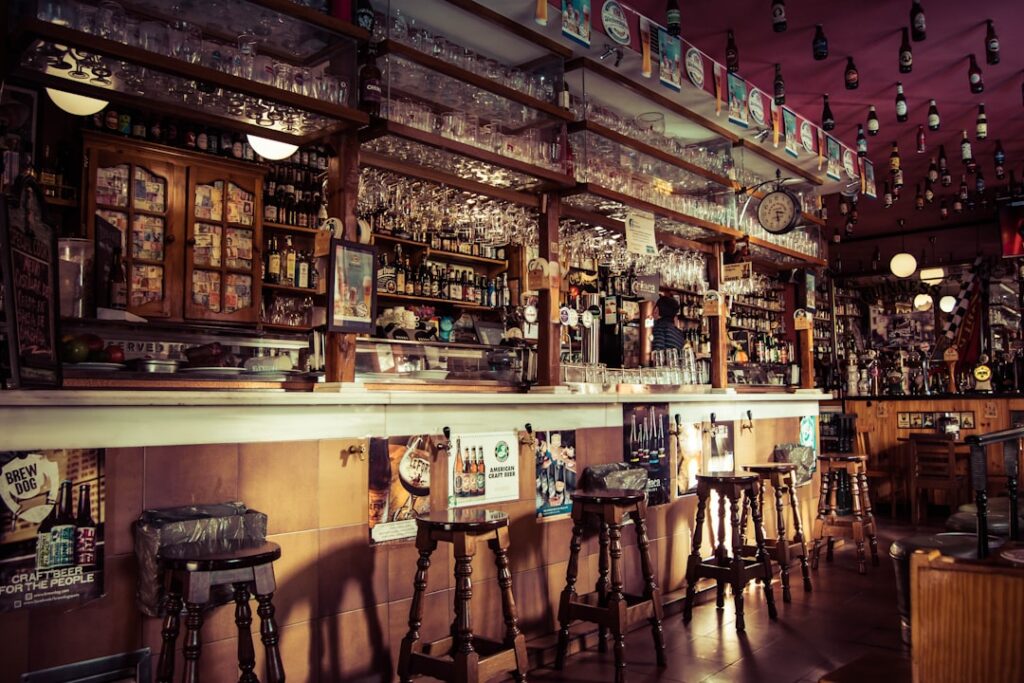
At around half past ten on a hot August night, the stone under the arches of Plaza del Pilar still gives off the day’s heat, children are chasing each other past the fountain, and somewhere behind Calle Estébanes you can already hear the clink of vermouth glasses from El Tubo. That is the detail most first-time visitors miss about Zaragoza: in summer, the city really begins after sunset. If you are coming for tapas, long evenings and the 12 August 2026 eclipse, staying in the Old Town is not just convenient, it changes the whole rhythm of your trip. You can wander out for one anchovy-topped bite, end up at midnight beside the Ebro, and never once think about taxis. If you are wondering where to stay in Zaragoza old town, the short answer is this: as close as possible to Plaza del Pilar and El Tubo, but with a clear idea of how much nightlife you actually want beneath your window.
Do you really want to stay inside the Old Town, or just near it?
Usually, yes. Zaragoza’s Casco Antiguo is one of those centres that rewards being on foot. The major sights are clustered tightly enough that you can leave your room after breakfast and spend a full day drifting between Roman remains, mudéjar towers, market streets and tapas bars without needing public transport. The Basílica del Pilar, La Seo, Plaza España, El Tubo and the old shopping streets all sit within a very manageable radius.
The catch is noise. If you stay right inside the busiest lanes around El Tubo, summer weekends can be lively well past midnight. That is brilliant if your idea of a perfect city break involves stepping downstairs straight into a plate of croquetas and a glass of garnacha. Less brilliant if you are a light sleeper travelling with children or planning pre-dawn eclipse positioning.
The sweet spot, in my view, is the edge of the action rather than the middle of it: close enough to walk everywhere in five to ten minutes, but not directly over the bars. Around Calle Coso, Avenida César Augusto and the streets running between Plaza España and Plaza del Pilar, you get the advantages of the Old Town without feeling as though your bedroom is inside a tapas crawl.
For British visitors asking the more basic question, is Zaragoza worth visiting at all, the honest answer is yes, especially if you like real Spanish city life more than polished tourist theatre. It does not try to charm you in the neat, museum-piece way of some smaller heritage cities. It feels bigger, more lived-in, more local. That is exactly why many people end up liking it more than they expected.
Which part of the Old Town is best if you are here for tapas and El Tubo?
If food is the point of the trip, base yourself near Plaza España or on the eastern side of Calle Coso so you can walk into El Tubo in minutes but escape it when you have had enough. El Tubo is not one single street so much as a dense little knot of lanes where people drift from bar to bar grazing as they go. Staying nearby means you can do tapas properly: little and often, with pauses, rather than trying to cram everything into one overplanned evening.
People always ask me for the best tapas in Zaragoza, and I usually tell them not to hunt for one perfect bar but to do three or four very different ones in the same night. Bodegas Almau on Calle Estébanes is a classic stop, old-school and full of bottles, the sort of place that makes vermouth feel like a serious subject. It is exactly the sort of bar that reminds you Zaragoza has long been a drinking city as much as a sightseeing one. Nearby, you can build your own route through the Tubo depending on whether you want traditional Aragón flavours, seafood bites or something more contemporary.
The insider trick is timing. If you want the atmosphere but not the squeeze, go early by Spanish standards, around 8pm. If you want the whole social theatre of it, with streets filling and people spilling out onto corners, go after 9.30pm and accept that the point is no longer efficiency. In August, the heat makes this late rhythm feel entirely natural.
If your trip is built around food first and monuments second, don’t overthink it: stay within a few minutes’ walk of El Tubo, but choose a room on a side street or in a building with decent soundproofing.
Which hotels are actually well placed, and what are the real walking times?
There are several dependable options in the Casco Antiguo, and what matters most is not star rating but location and whether you need family space, parking or peace and quiet.
Hotel Alfonso, on Calle Coso 15-19, is one of the strongest all-round choices. It is a four-star hotel with a pool and family-friendly rooms, and it sits roughly 400 metres from the Basílica del Pilar, about a five-minute walk. In a Zaragoza summer, that pool matters more than it might on paper. You can sightsee in the morning, retreat during the fiercest heat, and head back out for tapas once the city wakes up again in the evening.
NH Ciudad de Zaragoza, at Avenida César Augusto 125, works especially well if you want a central base with parking and a slightly calmer feel. It is about 550 metres, or seven minutes on foot, from the Pilar. That may not sound much different from Hotel Alfonso, but the atmosphere around it is a touch less intense at night. If you are driving across northern Spain or arriving with luggage and want easy access in and out of the centre, it is practical.
Hostal Plaza Boutique, on Plaza del Pilar 14, is the location-first budget pick. It is around 150 metres from the basilica, roughly a two-minute walk. You could hardly sleep closer to the symbolic heart of Zaragoza without camping in the square. For travellers who care more about stepping straight into the Old Town than about hotel facilities, it makes sense.
What can you walk to from the centre, and how much do the main sights cost?
This is where Zaragoza is wonderfully uncomplicated. If you stay in the Old Town, most of the essentials are on your doorstep, and you can plan your day with exact, manageable distances.
Basílica del Pilar is the obvious anchor. It opens daily from 6:45 to 20:30 and entry is free. Even if you are not especially religious, go early at least once. The square feels completely different before the crowds and evening promenades begin. The surprising detail many visitors miss is not just its size but its claim in Christian tradition as the first Marian shrine in Christendom, linked to the apparition of the Virgin to Saint James in AD 40.
La Seo, or the Cathedral of the Saviour, is the one I urge people not to skip. Opening hours are Monday to Saturday from 10:00 to 14:00 and 16:00 to 18:30; Sundays and public holidays from 10:00 to 12:00 and 16:00 to 18:30. General admission is €4, reduced €3, and children under 10 enter free. If you only visit one paid monument in the Old Town, I would make it this one. Its mix of styles, from Romanesque through Gothic, mudéjar and Baroque, tells the story of Zaragoza more clearly than any single museum label can. The mudéjar dome is UNESCO-listed, and unlike the Pilar, La Seo often gives you room to look quietly.
Palacio de la Aljafería sits a little farther west but is still perfectly walkable from the centre. From Plaza del Pilar, allow roughly 20 minutes on foot at an easy pace. It opens from 10:00 to 14:00 and 16:30 to 20:00 from April to October, and from 10:00 to 14:00 and 16:30 to 18:30 from November to March; in winter it closes on Sunday afternoons. General entry is €5. It is one of the most historically important buildings in the city, a rare surviving example of 11th-century Islamic architecture in Spain, later reworked as a royal palace and now home to the Cortes of Aragón.
Real Maestranza de Caballería de Zaragoza is the sort of place people tend not to know about at all, which is part of its charm. Visits depend on the guided tour calendar, so check ahead. General admission is €2.55; over-65s and unemployed visitors pay €1.30; large families, youth card holders, students and visitors with disabilities pay €2.05; children aged five to seven enter free. Housed in a 16th-century Renaissance palace, it gives you a more intimate, less obvious slice of Zaragoza’s past.
The practical takeaway is simple: if you stay in the Old Town, you can reach the Pilar in two to seven minutes from many central hotels, La Seo in a similar timeframe, El Tubo in minutes, and the Aljafería with one longer but straightforward walk.
Why is La Seo more interesting than the Pilar, and why does hardly anyone say so?
The Pilar wins on drama. It dominates the square, the skyline and the postcard rack. La Seo wins on layers. If you want to understand Zaragoza rather than simply admire it, La Seo is the richer stop. The building is a patchwork of centuries and regimes, and that complexity is exactly what makes it compelling.
One of the quietly extraordinary things about Zaragoza is how much of its story is one of replacement and coexistence: Roman city, Islamic taifa capital, Christian kingdom, Baroque confidence. La Seo wears that history visibly. You do not need specialist architectural knowledge to feel it. You walk through and sense that this was not built in one triumphant gesture but accumulated over time, revised, expanded, argued with.
The Pilar, by contrast, is about spectacle and devotion. That is not a criticism. At dusk, with the towers catching the last light and the plaza filling with families, it is magnificent. But if a friend had only half a day and asked me where the more rewarding hour might be spent inside, I would say La Seo and mean it.
An insider tip: pair them. Visit La Seo during its quieter opening window, then step back out into the square and finish at the Pilar when the city is softening into evening. You get both the intellectual satisfaction and the emotional flourish.
How should you plan for the 12 August 2026 eclipse without making the trip all about astronomy?
The eclipse is a strong reason to be in Zaragoza in summer 2026, but it should be part of the trip rather than the whole thing. The city is a sensible base because the Old Town gives you accommodation, food and walkability, while the broad spaces around the Ebro and the large open squares make orientation relatively easy. By the time event details and any local programming are confirmed, the city will almost certainly be busier than usual, so booking early matters.
What I would not do is choose a hotel only for a theoretical rooftop view. In practice, easy movement and a good night’s sleep are more valuable. Stay central, get up in good time, and be ready to walk to your chosen viewing point. Plaza del Pilar itself offers space and atmosphere, though many people may have the same idea. The riverfront can be a better choice if you prefer a little room to breathe.
The bigger advantage of staying in the Old Town is what happens before and after. You can spend the previous evening eating your way through El Tubo, and afterwards you are not stranded in an outlying area wondering where to have lunch. For a one-off event like this, that blend of practicality and pleasure is what makes Zaragoza a smart choice.
As for larger city events in 2026, the one perennial date to know is the Fiestas del Pilar in October. If your trip extends beyond summer plans, keep an eye on the official city agenda for the final programme. Zaragoza can look one way in guidebooks and feel quite another when there is a festival on.
What is summer in Zaragoza actually like at night, and does that affect where you should sleep?
It affects everything. In July and August, you do not experience Zaragoza on a northern European schedule. Lunch stretches, afternoons slow down, and then the city comes alive again late. Squares fill, children stay out astonishingly late by British standards, and dinner before 9pm can feel almost comically early.
This is one reason I prefer staying central in summer. You can retreat during the hottest part of the day rather than forcing yourself through a museum at 4pm just because you are out already. Then, when the temperature drops, you step back into the city exactly when it becomes most enjoyable.
The trade-off is sound. Around Plaza del Pilar you may hear the murmur of people in the square; near El Tubo, more than a murmur. If you are sensitive to noise, ask specifically for an interior-facing room or one on a higher floor. If you are travelling as a couple and want to feel the city’s summer rhythm properly, however, a little noise is almost part of the deal.
One unexpected pleasure is simply walking after dark from the Pilar to Plaza España, then looping back through side streets. The monumental Zaragoza of daytime gives way to a city of bars, families, old men talking on benches and teenagers orbiting ice cream shops. It feels real, not staged.
So, where should different kinds of travellers stay in Zaragoza Old Town?
If you are in town mainly for tapas and nightlife, choose the area between Plaza España and El Tubo. You will be in the thick of things and can nibble your way home.
If you want the classic first-time visitor base, somewhere near Plaza del Pilar is hard to beat. You wake up beside the city’s grand set piece and can walk almost everywhere instantly.
If you are driving, want parking and would like a slightly calmer edge-of-centre feel, Avenida César Augusto is a sensible compromise.
If you are travelling with family, a hotel with a pool or an apartment with more room will make an August stay much easier. Zaragoza’s heat is manageable when you plan around it, but having space to pause in the afternoon is worth a great deal.
If your main question is still where to stay in Zaragoza old town, the honest answer is to choose by evening habits rather than star category. In this part of the city, a difference of just three or four streets can mean either peaceful nights or front-row seats to the late tapas parade.
FAQ
Is Zaragoza worth visiting for a short city break?
Yes. It is one of Spain’s most underrated city breaks if you like good food, historic buildings and a place that feels genuinely lived in. It is less prettified than some better-known destinations, but more interesting for that very reason.
What area is best for tapas in Zaragoza?
Stay near El Tubo, ideally around Plaza España, Calle Coso or the streets just off Calle Estébanes. That puts you within a few minutes of many of the best tapas in Zaragoza without forcing you to sleep directly above the busiest bars.
How many days do you need in Zaragoza Old Town?
Two nights is a good minimum. That gives you one full day for the Pilar, La Seo and wandering, plus an evening or two for tapas. If you also want the Aljafería and a slower summer pace, three nights is better.
A central base for tapas nights and easy summer exploring
If you want apartment space right between El Tubo and Plaza España, with private parking included and a superb 9.8 Booking.com rating, ZaragozaHome is one of the smartest places to stay in the Old Town from €85 per night.
Looking for accommodation in central Zaragoza? Our ZaragozaHome apartments are steps from the Pilar, La Seo and El Tubo. Private parking included and rated 9.8 on Booking.com.