Best Tapas in Zaragoza for an Autumn City Break: Where to Stay in the Old Town Near El Tubo
Autumn is the moment Zaragoza makes sense: cooler evenings, busy bars and just enough edge to feel properly lived-in. Here’s where to eat the best tapas in Zaragoza, what’s actually worth your time in El Tubo and where to stay in Zaragoza old town if you want to walk everywhere.
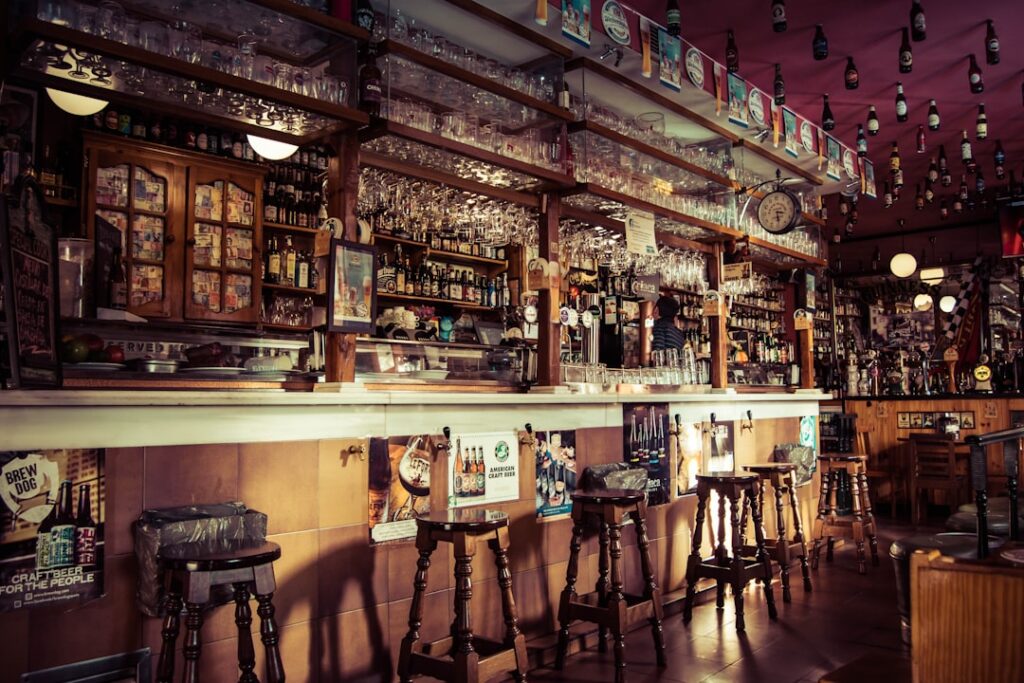
At about half past nine on an October evening, just when visitors from Madrid are wondering why dinner still hasn’t really started, the narrow lanes around El Tubo begin to sound like clinking vermouth glasses and plates being set down at speed. That is the hour Zaragoza comes alive. Not at sunset, not at eight, but later—when the air has finally cooled, the basilica domes are lit across Plaza del Pilar, and people begin the small nightly migration from one bar to the next.
If you are planning an autumn city break, this is when the city shows its best side. Summer in Zaragoza can be brutally hot; winter can be sharp and windy. Autumn gives you warm afternoons for wandering the old quarter and long evenings made for tapas.
Why autumn is the right season to understand Zaragoza properly
People often pass through Zaragoza on the train line between Madrid and Barcelona and assume it is a stopover city. That is unfair, but understandable. It is not as instantly theatrical as Seville or as polished as San Sebastián. What it does have is a kind of confidence that reveals itself slowly, and autumn is when that confidence is easiest to appreciate.
The first reason is practical: the climate. By late September and through October, you can spend the afternoon walking the Casco Antiguo without feeling flattened by the heat. The second is culinary. Tapas culture works better when people actually want to stand outside a bar with a drink in hand, or drift from one place to another without dashing between air-conditioned interiors. The third is visual. The honey-coloured stone around La Seo and the old streets near San Pablo seem richer in the lower autumn light.
There is also a seasonal rhythm to local life. In August, parts of the city empty out. In autumn, Zaragoza feels fully inhabited again—students back, families out in the evening, office workers meeting for vermouth, and bars running at the sort of steady hum you want from a weekend away.
An insider detail many first-time visitors miss: in Zaragoza, the aperitivo is not just a pre-dinner drink but a social institution, especially at weekends. Arrive too early and some streets can seem deceptively quiet. Give it time. The city rewards a late schedule.
Is El Tubo actually the best place for tapas, or just the easiest answer?
El Tubo is the obvious answer, and for once the obvious answer is not entirely wrong. This little knot of lanes behind Plaza España and not far from Plaza del Pilar remains the easiest place to begin because you can cover several bars on foot in minutes. It is lively, central and forgiving if you do not know the city. For a first visit, that counts for a lot.
But El Tubo is best approached with realistic expectations. It can be crowded, especially on Fridays and Saturdays. Some places are better than others. And the smartest way to eat here is not to settle in one bar for the whole night, but to do what locals do: one drink, one tapa, move on.
Where El Tubo wins is density. You are never far from another doorway, another chalkboard, another tray of pintxos behind the counter. It also places you in the middle of the old town, so you can fold dinner into an evening walk past the Roman walls, La Seo or the riverside. That is one of Zaragoza’s strengths as a food city: the bars are woven into daily life, not detached from it.
If you prefer something less obvious, it is worth nudging beyond the best-known lanes. The Casco Antiguo and neighbouring streets around San Pablo have more texture and often better value. Delicias, further out, has excellent neighbourhood places too. In other words, El Tubo is the best starting point, not necessarily the whole story.
One practical tip: if a bar looks impossibly crowded at the entrance, do not assume there is no space. In Zaragoza, people spill into the street and cluster by the doorway. Step inside, glance at the bar, and you may find room at the back.
Which bars are genuinely worth your time if you want the best tapas in Zaragoza?
Start with places that still feel rooted in their street rather than designed for a passing crowd. One of the most reliable is Bar Estudios, at Calle de los Estudios, 15, in the Casco Antiguo. It sits about five minutes on foot from Plaza del Pilar, on one of the oldest streets in the city, a lane whose traditional architecture still gives you a sense of old Zaragoza beneath the nightlife. The speciality here is simple and effective: cheese and cured meat tapas in a classic setting. It opens Tuesday to Sunday in the late afternoon and evening, with Friday and Saturday service running until 23:30. This is the kind of place that works beautifully on an autumn night when you want a first glass of wine and something salty and precise rather than anything over-complicated.
Then there is Bar Pollería San Pablo, at Calle de San Pablo, 28-30, around 10 minutes’ walk from Plaza del Pilar. The street itself is part of the appeal: San Pablo is one of those areas that tells the historical truth of Zaragoza better than the polished postcard views do. The bar is known for varied tapas, including vegan options, which is still worth noting in a tapas culture often built around meat, fish and dairy. If you are travelling with someone who usually finds traditional bar-hopping limiting, this is one of the more flexible stops. Hours can vary, so it is sensible to check directly before building your evening around it.
If you are happy to venture beyond the old quarter, Tasca La Ultramarina at Calle de Roger de Flor, 1, in Delicias, is one of the more interesting detours. It is around 25 minutes on foot from Plaza del Pilar, or a shorter taxi ride, and the trip is worthwhile if you want to see a more everyday Zaragoza. Delicias has long been one of the city’s most culturally mixed neighbourhoods, and that diversity has fed into its food scene. La Ultramarina stands out for more original tapas, including the intriguingly named guardaciviles picantes and rabo de toro. It opens Tuesday to Sunday for both lunch and evening service. This is a useful address to remember if you have already done El Tubo and want a second night that feels less obvious.
The point is not that Zaragoza’s best tapas are all in one street. The point is that the city rewards range: a classic old-town bar for embutidos, a more eclectic stop in San Pablo, and a proper neighbourhood detour in Delicias.
What do tapas in Zaragoza actually cost, and how late do people really eat?
For British visitors, timing and price are often the two most useful things to know in advance. Zaragoza is still relatively kind on the wallet compared with Spain’s bigger destination cities, though of course prices depend on the bar and event.
For everyday bar-hopping, expect your spend to build gradually rather than dramatically: a drink here, one or two tapas there, then another stop. The best fixed reference points in 2026 come from the city’s food events. During Saborea Nuestros Barrios, which runs from 16 April to 27 September 2026, each competition tapa costs 4.00 euros including a drink. It is a useful benchmark for what a well-judged promotional tapa route looks like in Zaragoza. During GastroTapas Zaragoza, from 16 to 28 June 2026, the price is 5.50 euros for a gastrotapa with drink, while tasting menus start at 25 euros. That event involves more than 100 establishments, which tells you something about the scale of the city’s participation in tapa culture.
As for hours, remember that many places work in two shifts: lunch and evening. Tasca La Ultramarina explicitly opens in both midday and night-time turns from Tuesday to Sunday. Bar Estudios is more of an evening address and keeps going until 23:30 on Fridays and Saturdays. In practice, locals may still be eating or drinking later elsewhere, especially at weekends, but if you are planning a route, those times matter.
One small but useful local habit: if you want a calmer experience, go out around 20:30 and accept that you are slightly early by local standards. You will still catch the atmosphere building, but with room to order properly. If you want the city at its most animated, aim for 21:30 onwards.
Another detail travellers tend to appreciate in autumn: walking distances are genuinely manageable in the centre. From Plaza del Pilar, Bar Estudios is about five minutes on foot; Pollería San Pablo around ten. You do not need to over-plan transport if you stay in the old town.
Why the streets around San Pablo are often more memorable than the most famous lanes
Some visitors spend all their time between the Basilica del Pilar, Plaza España and El Tubo, then leave thinking Zaragoza was pleasant but small. Walk west into San Pablo and the city becomes more layered. The church tower, the older housing stock, the slight roughness around the edges—this is where Zaragoza feels less staged.
Bar Pollería San Pablo is a good excuse to come this way, but the neighbourhood itself is the real reason. San Pablo has long been one of the historic quarters of the city, and for years it carried a mixed reputation: architecturally rich, socially complex, never entirely smoothed out for visitors. For travellers, that can be a good thing. It gives the evening a different register from the polished bar strip. You are not stepping onto a “food scene”; you are entering a district where people actually live and go out.
The unexpected detail here is how close it all is. From the monumental spaces around the Pilar to the more intimate, rougher-grained streets of San Pablo is only a short walk, but the mood shifts almost immediately. If you enjoy cities that show their seams a little, you may find this more compelling than the postcard core.
It is also a sensible area in autumn because the bars and streets feel busy without the frantic intensity bigger tourist cities can develop. Zaragoza remains, at heart, a local city. That is one of its great advantages if you know how to read it.
Where to stay in Zaragoza old town if you want to walk back from tapas in five minutes
If your weekend is built around food, the answer to where to stay in Zaragoza old town is simple: stay as close as possible to the strip between Plaza España, El Tubo and the walk up to Plaza del Pilar. That gives you the easiest access to evening tapas, morning coffee, and the main sights without needing taxis.
The most convenient pocket is the area around Puerta Cinegia. It is one of those practical locations travellers tend to undervalue until they arrive and realise they can step out straight into the old town’s liveliest streets. If you want a specific tip, ZaragozaHome has two apartments at Puerta Cinegia, right between El Tubo and Plaza España. They include private parking, which in the centre is more useful than it sounds, have a 9.8 rating on Booking.com, and rates start from 85 euros per night. For a short break, being able to walk back from dinner in minutes rather than navigate transport late at night makes a genuine difference.
If you prefer hotels, use the same logic: proximity matters more than brand. The old town is compact enough that a central stay changes the whole pace of your visit. You can pop out for one quick vermouth, return to change, then head back into the evening crowd without making a production of it.
One final local note: if you are driving, parking in the historic centre can be awkward. A place that includes it is not a luxury; it is a stress reducer.
What food events in 2026 are worth building a trip around?
If your dates are flexible, Zaragoza has several 2026 food events worth knowing about, though not all are equally relevant to a tapas-focused city break.
The most useful is Saborea Nuestros Barrios, running from 16 April to 27 September 2026. Its whole point is to spread Zaragoza’s tapas culture beyond the historic centre, and that matters because it nudges visitors into districts they might otherwise ignore. Each tapa costs 4.00 euros with a drink included, which makes it both accessible and easy to budget. There is something rather admirable about the event’s premise: instead of concentrating everything in the usual old-town circuit, it decentralises the ritual of tapeo.
GastroTapas Zaragoza, from 16 to 28 June 2026, is the larger shop window, tied to the Día Mundial de la Tapa. With more than 100 establishments taking part, it offers the broadest snapshot of what the city is doing gastronomically. The event draws on emblematic products from the province such as ternasco and local wines with designation of origin, so it is not just a generic tapas week. The standard gastrotapa costs 5.50 euros with drink, and tasting menus begin at 25 euros.
Beyond Zaragoza proper, Zuera Sabor runs from 19 February to 30 November 2026 and positions Zuera as a showcase for Aragonese produce like truffle and ternasco. It is more of a regional gastronomy story than a city-break essential, but if you are staying longer and interested in the wider food culture of Aragón, it is worth a look.
There are also more general food events. The Champions Burger arrives at the Expo zone from 18 March to 5 April 2026, searching for the country’s best smash burger and trading on the fact that earlier editions attracted more than 8 million attendees. Fun, certainly, though less specifically Zaragozan. More culturally rooted is the Mercado Medieval de las Tres Culturas from 15 to 17 June 2026, which celebrates the city’s Christian, Jewish and Muslim legacies. Even when you come for tapas, Zaragoza is at its best when food and history overlap.
So, is Zaragoza worth visiting for a weekend if food is your main reason?
Yes, but probably not for the reasons tourism campaigns tend to give. Come to Zaragoza if you like cities that are still used by their own residents rather than performed for visitors. Come if you enjoy evenings that unfold slowly, with a few bars, a walk between them, and no pressure to “do” everything. Come if the idea of having dinner after nine feels civilised rather than inconvenient.
Do not come expecting the prettiest old town in Spain or the country’s most polished tapas scene. That would be missing the point. Zaragoza’s appeal is that it offers strong food, good value, proper urban life and a historic centre that remains functional rather than theatrical. The old quarter can be noisy, scruffy and charming almost simultaneously. For many travellers, that ends up being more memorable than perfection.
If you want a reliable plan, spend your first evening around El Tubo and the nearby old-town lanes, make time for Bar Estudios, walk over into San Pablo for a different mood, and save a second night for a more local detour such as Tasca La Ultramarina in Delicias. Build the trip around walking, not rushing. Autumn will do the rest.
FAQ
What area is best for tapas in Zaragoza?
For a first visit, the best area is El Tubo and the surrounding old town near Plaza España and Plaza del Pilar. It gives you the highest concentration of bars within a short walk. For a less obvious second night, try San Pablo or Delicias.
How many days do you need in Zaragoza?
Two nights is a good minimum for a food-focused break. That gives you one full day for the historic centre and two evenings to explore different tapas areas without cramming everything into a single night.
Is Zaragoza expensive compared with other Spanish city breaks?
Usually no. Zaragoza is often better value than Madrid, Barcelona or San Sebastián. In 2026 food events, promotional tapas prices are set at 4.00 euros including drink for Saborea Nuestros Barrios and 5.50 euros including drink for GastroTapas Zaragoza, which gives a useful sense of the city’s affordability.
Stay between El Tubo and Plaza España
If you want to walk to the best tapas bars and be back home in minutes, ZaragozaHome’s Puerta Cinegia apartments are hard to beat: central, private parking included, rated 9.8 on Booking.com, from €85/night.
Looking for accommodation in central Zaragoza? Our ZaragozaHome apartments are steps from the Pilar, La Seo and El Tubo. Private parking included and rated 9.8 on Booking.com.