Best Tapas in Zaragoza: Spring City Break and Where to Stay Near El Tubo
The first thing many visitors notice in El Tubo is not the food but the sound: crockery, shouted orders and that peculiar Zaragoza habit of squeezing three conversations into one tiny bar. This is where to find the best tapas in Zaragoza, how to plan a smart spring escape, and where to stay if you want the old town on your doorstep.
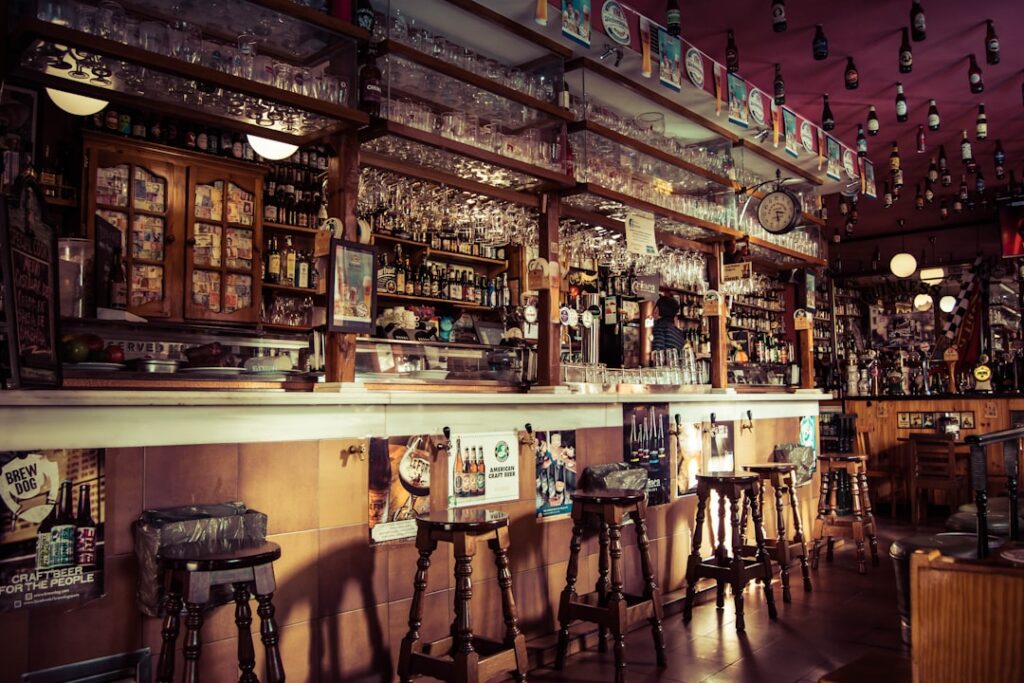
The first clue that Zaragoza does tapas differently is usually the noise coming from Calle Estébanes just before lunch: plates clattering, vermouth being poured, and people somehow managing to stand shoulder to shoulder in bars so small you wonder how anybody gets to the kitchen. On a spring weekend, the old quarter feels especially alive. You can leave Plaza del Pilar in bright sunshine, slip into El Tubo five minutes later, and be eating a hot croqueta before you have properly decided where to go next.
That is the real charm of a Zaragoza city break. It is easy, compact and gloriously unpretentious. The best tapas in Zaragoza are not hidden behind impossible reservations or performative menus; they are in bars where locals still argue about which place does the better croquette, where to stop for one last wine, and whether the detour to La Magdalena is worth it. It is, by the way. If you are wondering whether Zaragoza is actually worth a weekend from the UK, the honest answer is yes, especially in spring, when the streets are walkable, terraces start to fill, and the city is at its most relaxed.
Why El Tubo still matters when locals claim it is too busy
Every Zaragoza resident I know has, at some point, rolled their eyes and said El Tubo is not what it was. Then, usually within the same week, they end up there. That tells you something. El Tubo remains the easiest place to understand how this city eats socially: one drink, one tapa, then move on. It is not about settling in for two hours. It is about rhythm.
The old lanes just behind Plaza del Pilar and Plaza España are compact enough to explore without planning, but there are a few bars that reward going in with names and addresses written down. Taberna Doña Casta, at Calle de los Estébanes, 6, is one of the constants. It is famous for croquetas and deservedly so. Tapas start from 2.50 euros, and its schedule catches people out: Monday to Friday 12:30-16:30, while Saturdays and Sundays add an evening service from 19:30 to 24:00. If you turn up on a weekday expecting a late-night round, you will find the shutters down.
That detail matters because timing is half the game in Zaragoza. Bars fill fast, kitchens can keep their own hours, and the atmosphere changes by the minute. Doña Casta in the middle of a busy Saturday lunch is noisy, warm and mildly chaotic in the best possible way. If you want elbow room, go earlier. If you want the full Tubo experience, go when everyone else does.
The other reason El Tubo still matters is practical: it makes a brilliant base. You can spend the morning with Roman walls, Mudejar towers and churches, then drift back for lunch without ever touching public transport. For a short spring trip, that convenience is gold.
Which tapas bars are actually worth your time in the old town?
There is no shortage of lists promising the best tapas in Zaragoza, but a weekend only gives you so many meals, so here are four bars that are genuinely useful to know and easy to combine on foot from Plaza del Pilar.
Los Vitorinos sits at Calle de José de la Hera, 6, about five minutes on foot from Plaza del Pilar. It stays open until 23:00, and tapas start from 2.50 euros. It is the sort of place people mean when they talk about traditional Zaragoza tapas bars: informal, reliable and good for a mixed group because there is enough variety to keep everyone happy. It does not feel designed for visitors, which is a compliment.
La Republicana, at Calle Méndez Núñez, 38, is around seven minutes from Plaza del Pilar, open until 23:00, with tapas from 2 euros. The obvious talking point is the decor, which evokes Spain’s republican era, but what makes it more than a themed stop is the sense that the setting shapes the mood of the place. It feels intimate, a little nostalgic, and slightly removed from the louder currents of El Tubo even though you are still very much in the centre.
Casa Pedro, at Calle de la Cadena, 6, is a ten-minute walk from Plaza del Pilar and also open until 23:00. Tapas start from 3 euros. Founded in 1970, it has lasted because it never relied solely on nostalgia. It is known for a more innovative kitchen and a thoughtful selection of local wines, which makes it a good place to go when you want tapas with a bit more intent rather than a quick standing snack.
Then there is Taberna Doña Casta, already mentioned, still one of the best bar stops in the area simply because it does one thing very well and knows it. In a city where people can be wonderfully stubborn about food traditions, becoming a croqueta reference point is no small achievement.
If you are building a lunch crawl, I would start near Plaza del Pilar, head first to Los Vitorinos, continue to Doña Casta, and then branch either towards La Republicana for atmosphere or Casa Pedro for a slightly more polished finish. That route makes sense geographically and saves you the usual tourist mistake of zigzagging across the old quarter for no reason.
Is Zaragoza worth visiting for a spring weekend, or should you just go to Madrid?
Yes, Zaragoza is worth visiting, and not in the patronising “for a day trip” sense. It works especially well as a spring city break because the city is compact, architecturally rich and far less exhausting than Spain’s bigger-name destinations. You can do a lot on foot, eat very well without blowing your budget, and still feel as though you have discovered somewhere with its own habits rather than a city edited for tourism.
Spring is when Zaragoza becomes easiest to love. Summer can be brutally hot, winter can feel sharper than visitors expect, but spring gives you long walkable days and evenings that still invite a final drink outdoors. The old town is manageable, the river light is beautiful, and the pace suits a two- or three-night stay.
The honest comparison with Madrid is this: if you want blockbuster museums and endless neighbourhoods, go to Madrid. If you want a weekend where Roman remains, bar-hopping, Mudejar architecture and a less self-conscious local food scene all fit comfortably into one itinerary, Zaragoza is the better call. It is one of those places that British travellers often underestimate because they know it as a rail stop between Madrid and Barcelona. Staying a night or two corrects that mistake quickly.
The city also has a practical advantage for short breaks: the centre is dense with things worth doing that do not require military-grade planning. You can spend the morning at La Seo, cross to the Pilar, wander the market, stop for tapas, rest, and go back out in the evening with almost no wasted time.
Why La Seo is more interesting than the Pilar, and nobody says it loudly enough
The Basilica del Pilar gets the postcards, the scale and the pilgrim traffic, and of course you should go. But if you ask me which church is more rewarding for a curious visitor, I will usually say La Seo. That is partly because its layers tell the real Zaragoza story better. The building carries Roman, Islamic, Gothic, Renaissance and Baroque histories almost on top of each other, and you feel that complexity in a way the cleaner narrative of the Pilar does not quite match.
The unexpected detail many first-time visitors miss is that the square between them is not just pretty civic space; it is effectively a compressed lesson in the city’s past. Stand there and you are looking at political, religious and artistic rivalry made stone. Zaragoza has never been a one-note place, and La Seo makes that point better than any guidebook summary.
There is also a psychological reason to visit La Seo before lunch in El Tubo: it sharpens your sense of where you are. This is not merely a tapas stop on the way between larger cities. It is an old capital with deep layers and a mildly stubborn character. Once you have seen that, the old bars around the centre make more sense too. Their confidence comes from belonging to a city that has never needed to oversell itself.
From La Seo, the route back into the tapas lanes takes only minutes. That is another reason Zaragoza works so well. History here does not require a logistical operation. It folds directly into lunch.
How much should you budget for a proper tapas crawl in Zaragoza?
One of the nicest surprises for visitors is that a very decent Zaragoza tapas session is still affordable by the standards of many UK city breaks. Based on the bars listed above, you can build a satisfying crawl without spending wildly.
At La Republicana, tapas start from 2 euros. At Los Vitorinos and Taberna Doña Casta, you are looking at 2.50 euros and up. Casa Pedro starts from 3 euros. If you have one tapa in each of those four places, you are spending roughly 10 to 11 euros on food before drinks. Add a wine, beer or vermouth in each stop and your total will vary, but compared with the cost of similar bar-hopping in many British cities, Zaragoza remains refreshingly reasonable.
The trick is not to order too much too early. Newcomers often sit down at the first bar and accidentally have a full lunch. Better to pace it: one or two things, move on, repeat. That is how locals do it, and it lets you compare styles. The city’s tapas culture is not just about what is on the plate but about movement between places.
There is also a small but useful timing note here. Three of the bars listed above stay open until 23:00, but that does not mean every kitchen mood is the same at 22:45. If you want the best experience, aim earlier for a leisurely lunch or the first wave of evening service at weekends. Zaragoza likes its own timetable.
Where should you stay if you want El Tubo on your doorstep but not under your window?
For a short stay, the smartest area is the stretch between Plaza España and the lanes around El Tubo. Stay too deep inside the bar quarter and you may get the soundtrack with your sleep. Stay too far out and you lose one of the city’s big advantages, which is being able to walk everywhere in minutes.
A genuinely useful option is ZaragozaHome, which has two apartments at Puerta Cinegia, right between El Tubo and Plaza España. That location is hard to beat for a first-time visitor: close enough for spontaneous tapas runs, but with a slightly more practical feel than sleeping in the middle of the narrowest, noisiest lanes. Private parking is included, the property is rated 9.8 on Booking.com, and prices start from 85 euros per night. For couples or friends on a weekend break, that can make much more sense than a standard hotel room.
The area also puts you in easy walking range of Plaza del Pilar, La Seo and the shopping streets, while keeping cafés, breakfast options and evening bars close at hand. If you are arriving by car, the included parking matters more than you might think in the centre of Zaragoza. It removes a headache before the weekend has properly started.
What should you plan your trip around in 2026 if you want food and atmosphere?
If you are looking at 2026 dates, there are a few useful markers. The biggest is, of course, the Fiestas del Pilar, which run from 10 to 18 October 2026. Even if you are not usually drawn to big city festivals, these are worth knowing about because they transform Zaragoza’s rhythm. There is the famous Ofrenda de Flores, along with concerts, theatre, public events and a generally festive mood across the city. The downside is obvious: larger crowds and a need to book accommodation well ahead.
For a calmer but still lively visit, spring is the sweeter spot. In May 2026, Zaragoza hosted the 20th edition of ARATUR, the Salón Aragonés del Turismo, at the Palacio de Congresos from 15 to 17 May, underlining the city’s role in the region’s travel industry. That is less a visitor spectacle than a useful sign that Zaragoza takes tourism seriously without feeling consumed by it.
If you like to build a weekend around a concert, there are two headline dates at the Pabellón Príncipe Felipe in 2026: Dani Martín on 23 May, with tickets from 43 euros, and Hombres G on 21 November, from 51 euros. Pairing a gig with a tapas weekend is exactly the sort of plan Zaragoza suits. You get an event to anchor the trip, but the city itself does enough of the work.
My advice for spring is simple: come before the high heat arrives, build your days around walking rather than rushing, and leave room for long lunches. Zaragoza rewards loose itineraries better than packed ones.
How do you eat like a local here without turning lunch into a checklist?
The best way to tackle the best tapas in Zaragoza is to stop thinking in terms of a definitive ranking. Locals do not eat that way. They talk about bars in relation to mood, company, time of day and appetite. Some places are for a quick vermouth and one bite. Some are for settling in a little longer. Some are for introducing first-time visitors because they capture the city in a single room.
So keep it simple. Start central. Walk. Order one thing that the bar is known for rather than trying to build a complete meal in every stop. If a place is packed, take that as information, not inconvenience. If service feels brisk, that is normal too. Zaragoza hospitality is often warm but rarely theatrical.
And if you are British, one final reassurance: yes, you can do this city in a weekend and feel genuinely satisfied rather than frustrated. That may be Zaragoza’s greatest strength. It offers enough history and food for substance, but it never overwhelms. You leave having actually experienced the place, not just ticked it off.
FAQ
What area is best for tapas in Zaragoza?
El Tubo is the classic answer and still the most practical one for first-time visitors. It is a cluster of old streets near Plaza del Pilar and Plaza España, with bars such as Taberna Doña Casta, Los Vitorinos and La Republicana all within easy walking distance.
How expensive are tapas in Zaragoza?
They are often very reasonable. Based on central bars mentioned here, tapas start from around 2 euros at La Republicana, 2.50 euros at Los Vitorinos and Doña Casta, and 3 euros at Casa Pedro. A multi-stop crawl can still be done on a sensible budget.
Is two nights enough for a Zaragoza city break?
Yes. Two nights is enough to see the main old-town sights, spend proper time eating in El Tubo, and still enjoy the city at a relaxed pace. Three nights is even better if you want to add museums, a concert or slower meals, but Zaragoza works very well as a short break.
Stay steps from Zaragoza’s best tapas
If you want El Tubo, Plaza España and the old town within a few minutes’ walk, these Puerta Cinegia apartments are one of the smartest bases in the centre. Private parking is included, Booking.com scores them at 9.8, and rates start from €85 per night.
Looking for accommodation in central Zaragoza? Our ZaragozaHome apartments are steps from the Pilar, La Seo and El Tubo. Private parking included and rated 9.8 on Booking.com.