Zaragoza en primavera: qué ver y por qué es la mejor época para visitar Zaragoza
Spring brings Zaragoza into its most liveable, colourful and walkable mood. From the Basilica del Pilar to riverside parks and El Tubo tapas bars, here is how to enjoy the city at its best.
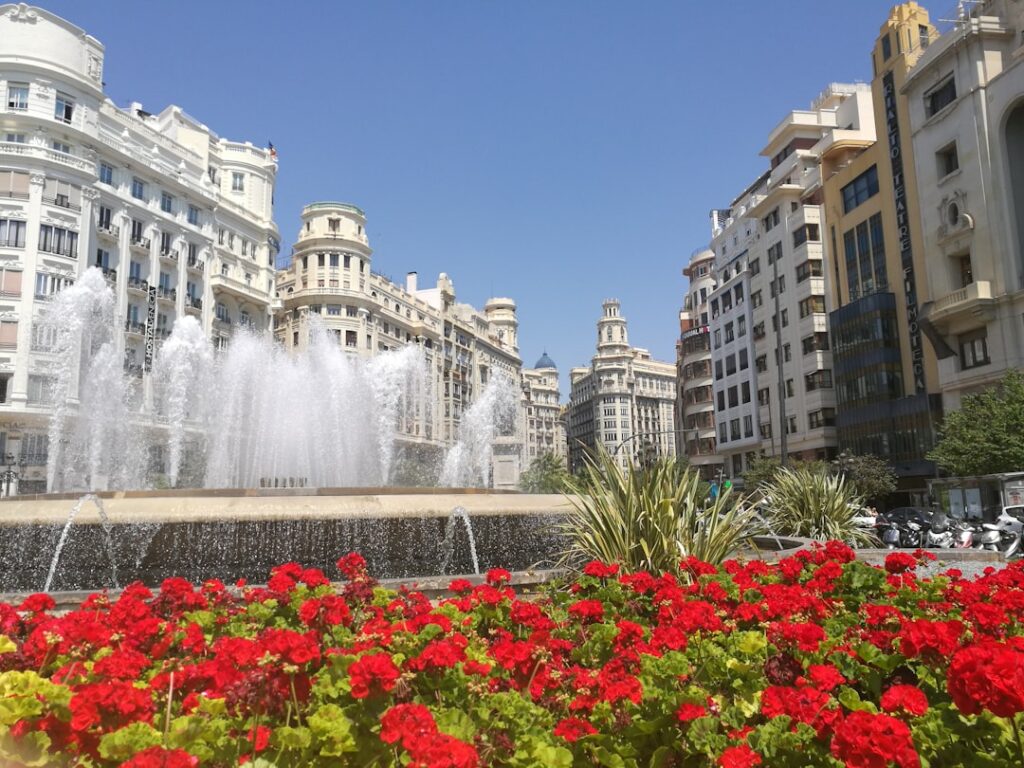
Zaragoza primavera qué ver is one of the most useful questions to ask before planning a city break, because spring changes the whole feel of the Aragonese capital. If you are wondering about the mejor época visitar Zaragoza, many locals would answer without hesitation: from March to June, when terraces fill up, orange and pink sunsets stretch over the Ebro, and the historic centre becomes ideal for long walks rather than a dash between sights in the summer heat.
One of the most pleasant things about visiting at this time of year is how easy Zaragoza is on foot. Staying in the heart of the old town makes a real difference, especially if you want to combine monuments, museums and tapas without wasting time on transport. Around Puerta Cinegia, between Plaza España and El Tubo, you are less than a minute from the city’s best-known tapas quarter, roughly 3 minutes on foot from the Basilica del Pilar and about 5 minutes from La Seo and the Roman Forum. That central base is a big advantage in spring, when the city invites you to head out early, stop often and enjoy the streets as much as the landmarks. In this guide to Zaragoza primavera qué ver, you will find what to see, where to stroll, what to eat and why this really is the mejor época visitar Zaragoza.
Zaragoza primavera qué ver in the historic centre
If your main goal is Zaragoza primavera qué ver, start in the Casco Histórico, because this is where the city’s Roman, Islamic, Mudéjar, Renaissance and Baroque layers all sit within a very walkable area. Spring is ideal for this route: temperatures are usually milder than in July or August, daylight lasts longer, and squares such as Plaza del Pilar and Plaza de la Seo feel lively without becoming exhausting.
Begin at the Basilica de Nuestra Señora del Pilar, Zaragoza’s emblem and one of Spain’s great riverfront churches. Its current appearance is largely Baroque, but the site’s devotion goes back centuries. The exterior alone is worth seeing in the softer spring light, when the domes stand out against clear blue skies. From there, walk across Plaza del Pilar to La Seo del Salvador, where the extraordinary Mudéjar wall and tapestry museum reveal another side of the city’s history. Just a few minutes away, the Museo del Foro de Caesaraugusta helps you visualise Roman Zaragoza beneath the present streets.
Best spring walking route in central Zaragoza
- Plaza España to El Tubo: under 1 minute on foot
- Plaza España to Basilica del Pilar: around 3 minutes
- Basilica del Pilar to La Seo: around 4-5 minutes across the square
- La Seo to Roman Forum Museum: about 2 minutes
This compact layout is one reason many travellers decide that spring is the mejor época visitar Zaragoza. You can see a remarkable amount in half a day without relying on buses or taxis.
What makes spring special here?
There is a different rhythm to the old town in spring. Mornings are perfect for churches and museums, afternoons suit riverside walks, and evenings belong to tapas terraces. If you stay in a very central apartment, such as the design flats at ZaragozaHome in Puerta Cinegia, you can pop back to rest between sightseeing and dinner, which is especially useful if you like travelling slowly rather than cramming everything into one push.
Best things to do in Zaragoza in spring: parks, riverside walks and views
Anyone researching Zaragoza primavera qué ver should not focus only on monuments. One of the strongest arguments for spring being the mejor época visitar Zaragoza is how good the city’s outdoor spaces feel at this time of year. Zaragoza sits beside the Ebro, and the river becomes part of the experience in spring, when trees leaf out, paths are greener and the breeze is much more pleasant than in the height of summer.
The most obvious starting point is the riverside area around Puente de Piedra. From here you get one of the classic postcard views of the Basilica del Pilar reflected above the Ebro. Continue west or east along the paths for a more relaxed side of the city. The riverbanks are popular with local walkers, runners and cyclists, and the flatter terrain makes them easy even for casual strolls.
Another excellent spring stop is the Parque Grande José Antonio Labordeta, Zaragoza’s grand urban park. It is larger, greener and more elegant than many first-time visitors expect, with broad promenades, fountains and shaded corners that are ideal for a slower afternoon. In spring, it feels particularly fresh, and it is a strong contender if you want a break from churches and museums.
Outdoor places worth adding to your spring itinerary
- Puente de Piedra for the classic Pilar skyline
- River Ebro embankments for an easy scenic walk
- Parque Grande José Antonio Labordeta for gardens, terraces and local atmosphere
- Parque del Agua Luis Buñuel for more open space near the Expo area
How to reach them from the centre
From Plaza del Pilar to Puente de Piedra it is only a short walk of about 5 minutes. Parque Grande is farther but still straightforward: around 30 minutes on foot from Plaza España, or roughly 10-15 minutes by tram using the Zaragoza Tram line from Plaza de España towards Emperador Carlos V and beyond. Parque del Agua is best reached by bus, taxi or bicycle, though sporty visitors can walk there from the historic centre in around 35-45 minutes.
For travellers comparing seasons, this is precisely why the mejor época visitar Zaragoza tends to be spring: the city’s public spaces become part of the trip rather than just the route between indoor sights.
What to eat in Zaragoza in spring: El Tubo, tapas and seasonal plans
No guide to Zaragoza primavera qué ver is complete without food, because spring is when the city’s social life spills beautifully onto terraces. Zaragoza is serious about tapas, and there is no better-known area than El Tubo, the maze of narrow streets just off Plaza España. It is lively all year, but spring gives it the perfect balance: busy enough to feel atmospheric, comfortable enough to stand outside with a drink, and bright enough to turn lunch into an afternoon outing.
Typical Zaragoza tapas to look out for include croquetas, montaditos, grilled mushrooms, cured ham and Aragonese specialities such as ternasco in more modern formats. If you enjoy eating the local way, do not plan one big dinner in a single place. Instead, move bar to bar and try one or two small dishes with a drink in each. That hop-between-bars rhythm is part of the city’s character.
Spring weekends are particularly good for combining culture and food: visit the Pilar and La Seo in the morning, pause for vermouth and tapas in El Tubo, then continue towards the museums or riverfront in the afternoon.
Why El Tubo works so well in spring
- Terraces and standing areas are much more comfortable than in high summer
- Lunch extends naturally into an afternoon paseo
- You can combine tapas with nearby monuments in a single walkable plan
- The quarter is busiest but still enjoyable before the extreme summer temperatures arrive
Where to stay for food lovers
If your trip revolves around eating well, staying next to El Tubo is a real luxury. The apartments at Puerta Cinegia are literally at the front door of the tapas quarter, less than a minute away on foot, so you can enjoy a proper evening out without thinking about taxis or parking. That is one reason visitors looking for a stylish central base often check these Zaragoza city centre apartments, especially as private parking at Plaza España is included and rates start from 75 GBP per night.
For many travellers, this food-and-walking factor seals it: spring feels like the mejor época visitar Zaragoza because the city becomes wonderfully easy to savour.
Best museums and monuments in Zaragoza for a spring city break
Although the weather is a major reason to choose spring, Zaragoza primavera qué ver also includes several excellent indoor visits that pair perfectly with a mild-weather break. The advantage of spring is flexibility: if one afternoon turns breezier or cloudier, you can switch to museums without losing the day.
The city’s Roman heritage is especially rewarding. Zaragoza was the Roman colony of Caesaraugusta, and several museums help explain that past. The Museo del Foro de Caesaraugusta is usually the first choice because of its central location next to La Seo. If Roman archaeology interests you, you can also look into the museum route that includes the Roman theatre, baths and port areas, all tied to the ancient city beneath modern Zaragoza.
Meanwhile, art lovers should consider the Museo Goya, an accessible and well-located stop for understanding the painter’s legacy and Spanish art more broadly. Another distinctive option is the Aljafería Palace, a masterpiece of Islamic and Mudéjar heritage as well as the seat of the Aragonese parliament today. Its courtyards and architecture are among the most memorable sights in Zaragoza, and spring is an excellent time to visit before or after walking the centre.
Monuments that shine in spring
The sunlight matters here. La Seo’s details, the Pilar’s domes and the Aljafería’s courtyards all benefit from the season’s gentler brightness. Photographers often find spring easier than summer, when harsh midday light can flatten colours and make long walks less enjoyable.
Suggested half-day culture plan
- Morning: Basilica del Pilar and tower area
- Late morning: La Seo and the Roman Forum Museum
- Lunch: tapas in El Tubo
- Afternoon: Museo Goya or Aljafería Palace
This balance of indoor and outdoor sightseeing is another reason people researching the mejor época visitar Zaragoza often end up choosing spring over winter or the hottest months.
Practical information
For anyone searching Zaragoza primavera qué ver with practical details in mind, these are the key places, current typical visitor details and how to plan them from the city centre. As with any trip, do check official websites before travelling because opening times can occasionally vary on religious holidays or special event days.
Basilica del Pilar
- Opening hours: the basilica generally opens daily from early morning until late evening; the church itself commonly opens around 06:45 and remains accessible until about 20:30-21:30 depending on season and liturgical activity.
- Entry price: free for the basilica.
- Tower lift: usually paid entry, commonly around 5 EUR for adults.
- How to get there from the centre: around 3 minutes on foot from Plaza España.
- Recommended duration: 45-75 minutes, longer if you add the tower.
La Seo del Salvador
- Opening hours: commonly open Tuesday to Saturday from 10:00 to 14:00 and 16:00 to 18:30, Sunday mornings with reduced cultural visiting hours, closed or limited on some Mondays.
- Entry price: often around 7 EUR general admission, with reduced rates for eligible visitors.
- How to get there from the centre: about 5 minutes on foot from Plaza España.
- Recommended duration: 45-60 minutes.
Museo del Foro de Caesaraugusta
- Opening hours: typically Tuesday to Saturday 10:00-14:00 and 17:00-21:00; Sundays and public holidays 10:00-14:30.
- Entry price: around 4 EUR general admission; reduced tickets often available near 2 EUR.
- How to get there from the centre: about 5 minutes on foot from Plaza España, beside La Seo.
- Recommended duration: 30-45 minutes.
Aljafería Palace
- Opening hours: usually open every day, with morning and afternoon visiting slots; many travellers find access roughly from 10:00, though the exact closing hour varies by season and institutional use.
- Entry price: around 5 EUR general admission; EU citizens may have free entry on certain Sundays.
- How to get there from the centre: about 20-25 minutes on foot from Plaza España or around 10 minutes by bus/taxi.
- Recommended duration: 60-90 minutes.
Parque Grande José Antonio Labordeta
- Opening hours: open access public park, generally all day.
- Entry price: free.
- How to get there from the centre: around 30 minutes on foot or 10-15 minutes by tram from Plaza de España.
- Recommended duration: 1-2 hours.
If you want to make the most of Zaragoza primavera qué ver, plan one major monument cluster in the morning and a park or tapas route in the afternoon. That pace works especially well in spring.
Why spring is the mejor época visitar Zaragoza
There is no single perfect season for everyone, but spring comes closest for most visitors. Zaragoza can be brilliantly sunny yet very hot in summer, while winter can feel quieter and shorter on daylight. Spring sits in the sweet spot. It gives you outdoor comfort, terrace life, green parks, clear walking days and enough energy in the streets to make the city feel alive.
It is also the best season for travellers who want to combine different styles of trip. Zaragoza works equally well as a culture break, a food weekend or a stop on a wider route through northern Spain. In spring, you can do all three at once. Spend the morning exploring Roman remains, the afternoon walking beside the Ebro and the evening in El Tubo, all without battling extreme temperatures.
Another overlooked advantage is logistics. If you arrive by car, central parking matters enormously in the old town area. If you arrive by train, being based near Plaza España puts the main sights within easy reach from the moment you check in. A central apartment with included parking simplifies both scenarios, which is why many return visitors place a lot of value on staying near El Tubo and the Pilar rather than farther out.
So if you are still weighing up the mejor época visitar Zaragoza, spring wins on balance. It is comfortable, photogenic, sociable and practical. For first-time visitors especially, Zaragoza primavera qué ver makes far more sense in spring because the city can be experienced properly on foot, slowly and joyfully.
FAQ: Zaragoza in spring
Is spring the best time to visit Zaragoza?
For many travellers, yes. Spring offers milder temperatures, longer daylight and a much more comfortable experience for walking between the Basilica del Pilar, La Seo, El Tubo and the riverside. It is widely considered the mejor época visitar Zaragoza if you want to combine sightseeing, food and outdoor time.
How many days do you need in Zaragoza in spring?
Two days is a very good minimum. In 48 hours you can cover the main historic sights, enjoy tapas in El Tubo, visit at least one museum and add a park or river walk. If you like a slower pace, three days lets you enjoy Zaragoza primavera qué ver without rushing.
What should I wear in Zaragoza in spring?
Layers are the best option. Days can be pleasantly warm in the sun, but mornings and evenings may feel cooler, especially near the river or on breezier days. Comfortable walking shoes are essential because the historic centre is best explored on foot.
Can you visit Zaragoza without a car?
Absolutely. The historic centre is compact and highly walkable, especially around Plaza España, El Tubo, Plaza del Pilar and La Seo. If you do arrive by car, however, accommodation with included central parking is especially convenient.
Stay in the heart of springtime Zaragoza, steps from El Tubo
If your ideal Zaragoza primavera qué ver plan includes monuments by day and tapas by night, a central base makes all the difference. ZaragozaHome offers two design apartments at Puerta Cinegia, right between El Tubo and Plaza España, with El Tubo literally under 1 minute away on foot, the Basilica del Pilar around 3 minutes away and private parking at Plaza España included at no extra charge. With a 9.8 score on Booking.com, a Traveller Review Award 2026 and rates from 75 GBP per night, it is a wonderfully practical choice for a spring city break.
Looking for accommodation in central Zaragoza? Our ZaragozaHome apartments are steps from the Pilar, La Seo and El Tubo. Private parking included and rated 9.8 on Booking.com.