Where to Stay in Zaragoza Old Town for the 12 August 2026 Eclipse: Summer Tapas and El Tubo
If you are coming to Zaragoza for the 12 August 2026 eclipse, stay in the old town and do it properly: sleep within walking distance of the Pilar, spend the hot evening drifting through El Tubo, and leave room for La Seo, the Aljafería and a very good vermouth.
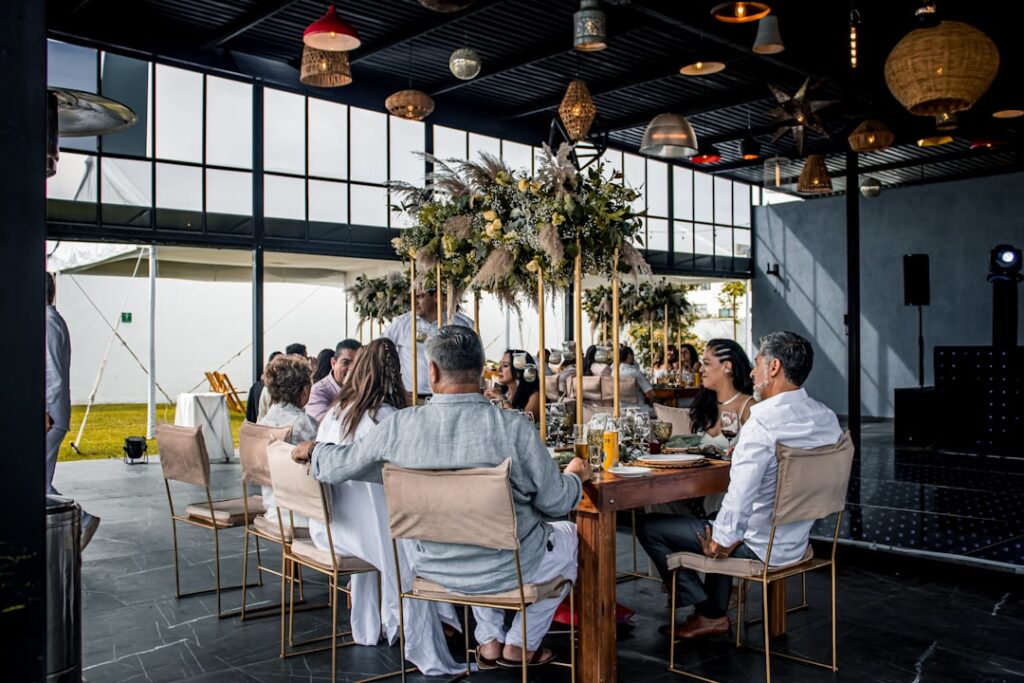
At about half past nine on an August night in Zaragoza, the stone of Plaza del Pilar still gives off the day’s heat. Children race under the fountain spray, the basilica bells roll across the square, and a waiter in El Tubo is balancing a plate of croquetas through a passageway so narrow that two umbrellas can cause a traffic jam. That is the old town in summer: not precious, not staged, and much more alive after dark than many first-time visitors expect.
If you are planning around the 12 August 2026 eclipse, this is the part of Zaragoza that makes the most sense. Stay central and you can walk everywhere worth bothering with: the Pilar at first light, La Seo before lunch, the Aljafería when the sun drops a little, then tapas and a late drink without ever needing a taxi. If you are wondering where to stay in Zaragoza old town, the short answer is close to Plaza del Pilar or Plaza España. The better answer is a little more specific.
Why the old town is the right base for an August trip, especially during the 2026 eclipse
Zaragoza in August works best if you can retreat quickly. The heat in the middle of the day is real, and during a high-interest date like 12 August 2026 you will be happier if your room is ten minutes away rather than across town. The Casco Antiguo lets you do what locals do in summer: go out early, disappear for a rest, then return when the city wakes up again in the evening.
The practical geography is hard to beat. From Plaza del Pilar, La Seo is only about 3 minutes on foot, roughly 250 metres. El Tubo is about 5 minutes away, around 400 metres. Even the Aljafería, which many people wrongly assume needs transport, is perfectly walkable at around 20 minutes or 1.5 km from the square. In other words, if you sleep in the old town, the essentials line up neatly around you.
The other reason is atmosphere. British visitors often ask me, very plainly, whether Zaragoza is actually worth visiting or whether it is simply a stop between Madrid and Barcelona. Honest answer: yes, it is worth it, but not because it bombards you with postcard sights every ten steps. Zaragoza rewards people who like proper city life: long squares, Roman traces hidden in plain sight, serious churches, Moorish architecture, late suppers, and a tapas culture that belongs to locals rather than package tourism. During a special date like the eclipse, that grounded, lived-in feeling matters more than gimmicks.
So where to stay in Zaragoza old town if you want to walk everywhere and eat well?
If your priority is being able to step out and reach the main sights on foot, there are two especially convenient areas: around Plaza del Pilar and around Plaza España, which puts you right by El Tubo. Both keep you in the historic core, but they feel slightly different.
Near Plaza del Pilar, you are closest to the ceremonial heart of the city: the basilica, La Seo, the broad riverside edge, and those big open spaces that make Zaragoza feel more imperial than intimate. This area is ideal if you want early access to the monuments and evening walks when the square empties out. One reliable option is Hotel Alfonso, on Calle del Coso, 15. It is a 4-star hotel with a rooftop pool and panoramic city views, and it sits only about 5 minutes on foot from Plaza del Pilar, roughly 400 metres. The average nightly rate is around 120 euros. For August, especially around a major event, that location is likely to matter as much as the pool.
If you want slightly better value while still staying central, Hotel Hesperia Zaragoza Centro on Calle del Conde de Aranda, 48 is a good practical choice. It is about 10 minutes’ walk from Plaza del Pilar, around 800 metres, and usually averages about 89 euros a night. It has the sort of straightforward comfort that suits a city break: modern rooms, free Wi-Fi, a restaurant focused on regional cooking, and a bar that feels calm rather than performative. Telephone numbers, if you are old-school enough to ring a hotel, are +34 876 54 12 34 for Hotel Alfonso and +34 876 66 45 23 for Hesperia.
For travellers who prefer apartment space and absolute convenience for tapas, there is one personal tip I pass on a lot: ZaragozaHome has two apartments at Puerta Cinegia, between El Tubo and Plaza España, with private parking included, a 9.8 score on Booking.com, and rates from 85 euros a night. That location is excellent if your ideal Zaragoza evening is to wander out for vermouth, have three or four small plates, and stroll home without thinking about logistics.
The insider point here is that being too close to the noisiest lanes of El Tubo can be less charming at 1am than it sounds at 5pm. I would choose the edges of the tapas district rather than a room directly above its busiest bars. Close enough to walk in two minutes; far enough to sleep.
Is Hotel Alfonso worth the extra money, or should you save it for tapas?
If you are choosing between a smarter central hotel and a simpler one, the decision comes down to how you use a summer city. Hotel Alfonso usually wins on comfort and location. The rooftop pool is not a gimmick in August; after a long afternoon of stone, sun, and churches, it can feel like a tactical necessity. Being on Calle del Coso also means you are positioned between the monumental centre and the shopping streets, with El Tubo very close by.
That said, Zaragoza is not a city where you need to pour your whole budget into the room. You will spend a lot of time outdoors, and the old town is best experienced on foot. Hesperia Zaragoza Centro is a sensible alternative if you want to keep costs under control without sacrificing walkability. Ten minutes to the Pilar is easy, even in heat, provided you do what locals do and avoid charging about in the early afternoon.
A small local detail people often miss: in summer, the rhythm of the city shifts later than British visitors expect. If you return to your room around 4pm for air-conditioning and a brief pause, you will still have a full evening ahead. Zaragoza after 8pm is when it begins to sparkle. So, when weighing hotels, think less about lavish daytime facilities and more about whether the bed, shower, and location will serve that late urban rhythm.
Why La Seo is more interesting than the Pilar and hardly anyone tells first-time visitors
I would never tell anyone to skip the Basílica del Pilar. It is Zaragoza’s emblem, and rightly so. The tradition attached to it is extraordinary: according to belief, the Virgin Mary appeared here to the apostle Santiago in the year 40 AD, making it the first Marian temple in Christendom. The basilica opens early too, from 6:45 to 20:30 Monday to Saturday and from 7:30 to 20:30 on Sundays and public holidays, and entry is free. If you want to see it quietly, go first thing in the morning before the square fully stirs.
But if you ask me which building is more intellectually rewarding, I will usually say La Seo. Officially the Catedral del Salvador, it has the layered, complicated personality that makes old Spanish cities so compelling. It is only about 250 metres from Plaza del Pilar, a 3-minute walk, yet many visitors give it half the attention. That is a mistake.
La Seo opens Monday to Saturday from 10:00 to 14:00 and 16:00 to 18:30, and on Sundays from 10:00 to 12:00 and 16:00 to 18:30. Entry is 6 euros, including access to the Museum of Tapestries, which is one of the best museum-value tickets in the city. The unexpected detail here is not just the tapestries themselves but the sensation of moving from the open drama of the Pilar square into something more intricate and historically layered. If the Pilar is Zaragoza’s public face, La Seo is the conversation you have once the introductions are over.
For anyone visiting during the eclipse trip, I would do the Pilar early, then La Seo once it opens at 10:00, and save the hotter middle hours for lunch or a rest. It is a much kinder schedule than trying to stomp through everything at midday.
Can you really walk to the Aljafería in August, and is it still unmissable if you only have one full day?
Yes, you can walk it. And yes, you should go.
The Palacio de la Aljafería sits about 1.5 km from Plaza del Pilar, roughly a 20-minute walk, though in August I would not set off at two in the afternoon with heroic intentions. Go in the morning if you are energetic, or better still, aim for the later opening slot after a slow lunch when the light softens a little. The palace is open daily from 10:00 to 14:00 and from 16:30 to 20:00. Entry is 5 euros, and there is a very useful budget tip: Sundays in the afternoon are free.
This is not a peripheral sight to squeeze in if you happen to have time. It is one of the great reasons to visit Zaragoza at all. Built in the 11th century, the Aljafería is one of the rare surviving examples of Islamic architecture in Spain outside Andalucía. Its history is unusually dense even by Spanish standards: royal residence, later seat of the Inquisition, and today home to the Cortes de Aragón. That institutional afterlife gives it a curious double identity. It is both a palace of memory and a functioning political building.
The thing that surprises many visitors is how refined it feels after the severity of the exterior. You approach a fortified structure and then find delicate arches and courtyards that still carry the elegance of the taifa period. Zaragoza does this a lot: it hides its finest details behind solid, almost defensive urban faces.
Where do locals go for the best tapas in Zaragoza when they do not want a tourist performance?
If you want the best tapas in Zaragoza, start in El Tubo but do not approach it like a checklist. It is a tight mesh of lanes and bars, more fun if you drift than if you conquer. Five minutes from Plaza del Pilar, around 400 metres, it is the obvious place to eat in the old town, but that does not make it a trap. It only becomes disappointing when people plant themselves in the first bar they see and never move.
Bodegas Almau is a classic stop and still worth it. It is known for anchovies and local wines, and it carries the kind of old Zaragoza feel that new openings try hard to imitate. Then there is Taberna Doña Casta, famous for its croquetas, which are rightly popular and ideal if you are building a bar-to-bar evening. The pleasure of El Tubo is variety: a vermouth here, two bites there, then onward before you settle into the rhythm of one place.
For a more seated, historic meal, Casa Lac on Calle Mártires, 12 is one of the addresses that give substance to the city’s food reputation. Founded in 1825, it is the oldest restaurant in Zaragoza, just about 7 minutes on foot from Plaza del Pilar, around 600 metres. Its telephone number is +34 976 39 61 96, and it specialises in Aragonese cooking rather than generic “Spanish food”. That matters. Zaragoza eats from its own traditions, and you should too.
An insider tip for summer: do not eat too early unless you want a very quiet room. The old town’s evening appetite starts late. A gentle pattern is to have a drink around 8pm, begin hopping bars after that, and only sit down properly if you still have room. If you are used to British pub timing, adjust your expectations by at least ninety minutes.
What should you actually do on a one-day old town itinerary without rushing yourself silly?
If you only have one full day in Zaragoza around the eclipse trip, keep it disciplined. The city is enjoyable when it unfolds at human speed.
Start at the Basílica del Pilar early, ideally soon after opening, when the square still feels ceremonial rather than busy. Because entry is free, you can go in without overcommitting time or money. Step outside, look back across Plaza del Pilar, and then walk the short 250 metres to La Seo for its 10:00 opening. Spend your 6 euros there and take the tapestries seriously.
After that, stop for coffee or a light bite and retreat from the hardest midday heat. This is the point where visitors who try to “do” Zaragoza often make themselves miserable. The old town is compact enough to permit a rest. Use that advantage.
In the late afternoon, head to the Aljafería for the 16:30 reopening. You will arrive when the city is starting to exhale. Return on foot toward the centre, and let your evening belong to El Tubo. Make one bar your anchovy stop, another your croqueta stop, another your wine stop. If you still want a proper dinner, book Casa Lac. If not, tapas can be dinner and often should be.
That itinerary works because the walking distances are modest, the monuments have sensible opening patterns, and the city’s social life peaks when the heat relaxes. Zaragoza rewards pacing, not conquest.
Will the old town be busy in 2026, and what dates matter beyond the eclipse?
Any special August date can sharpen demand for central rooms, so if you already know you are coming for 12 August 2026, book the old town early. The accommodation stock in the centre is good, but the best-located rooms disappear first because they suit short stays so well.
If your trip can flex, it is worth knowing the other major dates on Zaragoza’s 2026 calendar. The Fiestas del Pilar run from 10 to 18 October 2026, with the traditional Ofrenda de Flores on 12 October. Those days transform the city centre, especially around Plaza del Pilar, with concerts, cultural events, theatre, and huge crowds. It is one of Spain’s most memorable urban festivals, but it is not a quiet old-town break.
Then there is the 43rd Festival de Jazz de Zaragoza, from 12 to 22 November 2026, which gives the city a more inward, cultured mood. If August is for warm nights and tapas routes, November is for music, bars, and a different kind of urban intimacy.
So yes, the old town will likely be in demand around the eclipse, and that is another reason to decide early whether you want the grand-square feel of the Pilar side, the eat-and-stroll convenience of Plaza España and El Tubo, or the value-and-space balance of somewhere slightly west of the core.
FAQ
Is Zaragoza worth visiting for one night?
Yes, provided you stay in the old town. One night is enough for the Pilar, La Seo, an evening in El Tubo, and a proper sense of the city’s character. If you sleep outside the centre, the visit feels thinner.
What is the best area to stay in Zaragoza for walking?
The best area is the Casco Antiguo, especially around Plaza del Pilar or Plaza España. From there you can walk to La Seo in about 3 minutes, El Tubo in 5, and the Aljafería in roughly 20.
What are the best tapas bars in Zaragoza old town?
Start with Bodegas Almau for anchovies and wine, and Taberna Doña Casta for croquetas, both in the El Tubo orbit. If you want a more formal historic meal, Casa Lac is the classic address.
Stay in the middle of Zaragoza’s best evenings
If you want to be steps from El Tubo and within an easy walk of Plaza del Pilar, take a look at these central Puerta Cinegia apartments with private parking included. For an August city break, the location is hard to improve on.
Looking for accommodation in central Zaragoza? Our ZaragozaHome apartments are steps from the Pilar, La Seo and El Tubo. Private parking included and rated 9.8 on Booking.com.