Where to Stay in Zaragoza Old Town for the 2026 Solar Eclipse: History, Curiosities and Summer Walks
If you are planning for the solar eclipse Spain 2026 Zaragoza moment, the old town is the place to base yourself: walkable, layered with Roman, Islamic and Mudéjar history, and lively well after dark. Here is the honest local guide to the best areas, what they feel like in summer, and why Zaragoza is more rewarding than many first-time visitors expect.
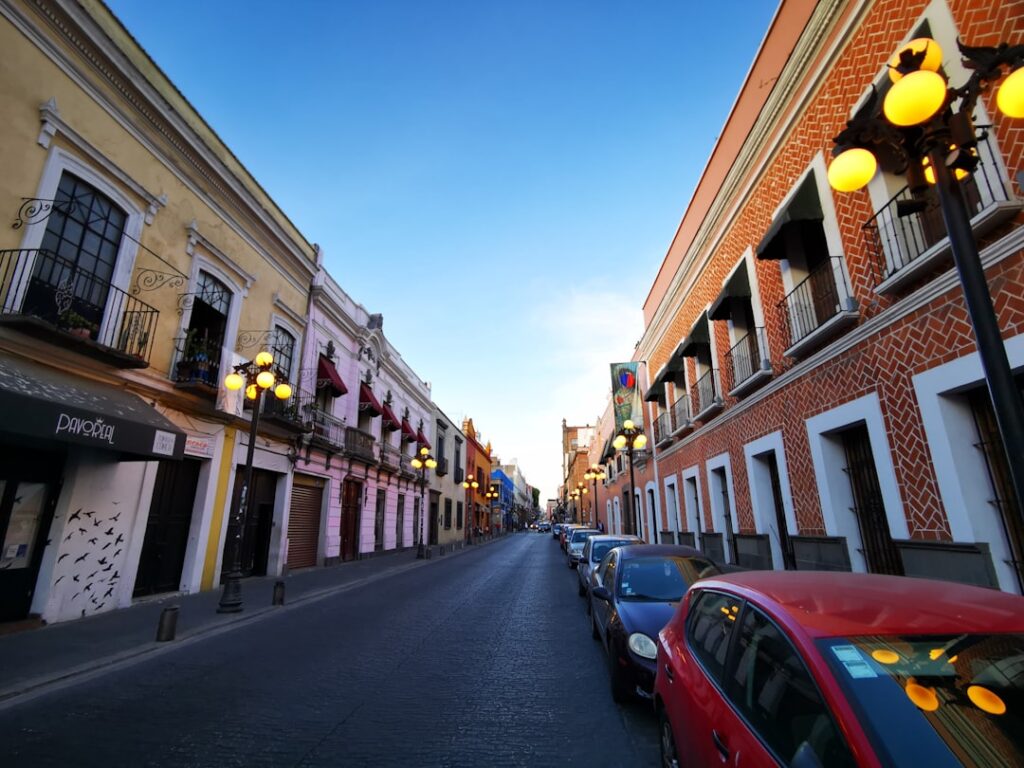
At around nine at night in high summer, when the stone around Plaza de Santa Cruz is still giving back the day’s heat, children are kicking footballs under church walls and the tiny bars are only just settling into their rhythm. That is the hour when many first-time visitors realise Zaragoza keeps different time from the guidebooks. It looks monumental by day, but it lives best in the evening: shutters up late, vermouth before dinner, long walks under honey-coloured façades, and a historic centre that feels properly inhabited rather than staged for tourists.
If you are trying to work out where to stay in Zaragoza old town for the August 2026 eclipse, this matters. You do not simply need a bed near the sights; you need a base that works in summer, that lets you walk everywhere, retreat during the hottest hours, and step back out when the city becomes itself again. And if you are wondering, honestly, whether Zaragoza is worth visiting at all, the short answer is yes — not because it shouts for attention like Madrid or Seville, but because it is richer, stranger and more enjoyable than most people expect.
Why does staying in the old town make the most sense for the 2026 eclipse?
For the solar eclipse Spain 2026 Zaragoza trip, the old town is the practical choice rather than the romantic one — though it is certainly romantic enough once you are in it. The historic centre puts you within walking distance of the two great cathedral spaces, the Roman remains, the tapas lanes of El Tubo, the shopping axis around Plaza de España, and the riverfront by the Ebro. In August, that walkability is gold. You do not want to spend the hottest part of the day waiting for buses on broad avenues with no shade.
Zaragoza’s old quarter is compact in the best way. From Plaza del Pilar to Plaza de España is roughly 10 minutes on foot. From the Roman Theatre to La Seo, barely another 5. Even the stroll out to Puente de Piedra, one of the obvious places to linger for wide sky views, is easy and flat. If the eclipse brings extra demand, being able to move around without depending on transport will make the day far less stressful.
There is another reason locals quietly prefer the centre in summer: the stone buildings hold the cool better than modern outer districts. Traditional flats with shutters and thick walls can feel surprisingly comfortable after dark, while the lanes around Don Jaime I, Alfonso I, Estébanes and Méndez Núñez stay lively late into the evening. That matters in a Spanish August, when the sensible schedule is to sightsee early, disappear for a while after lunch, then come back out once the sun softens.
An insider detail many people miss: around the Pilar and La Seo, the old town often feels busiest in the late morning and then oddly calm during siesta hours. If you are staying nearby, you get the city at its best twice over — serene in the heat, sociable after sunset.
Which part of the old town should you choose: around the Pilar, El Tubo or Plaza de España?
These three areas are close enough to walk between in minutes, but they feel quite different.
Around Plaza del Pilar, you get the grand postcard Zaragoza: the Basilica del Pilar, La Seo, broad paving, river air from the Ebro and some of the city’s most dramatic dusk views. It is best for first-timers who want to step out of the door and immediately feel they are somewhere historic. The trade-off is that the square can seem a little exposed in the midday heat, and some nearby streets quieten earlier than people expect.
El Tubo is the old town at its noisiest and most entertaining. This is the lattice of narrow lanes south of the Pilar where people come for tapas, wine and late dinners. If you want atmosphere, this is it. Bodegas Almau on Calle Estébanes is still one of the best stops for a vermouth and a small plate, and yes, it is the kind of place people remember because the presentation can be as eccentric as the clientele. The advantage of staying near El Tubo is that the evening begins at your doorstep. The disadvantage is obvious: some streets carry noise well past midnight, particularly in August and at weekends.
Plaza de España and Puerta Cinegia are, for many travellers, the sweet spot. You are on the edge of the old town rather than in its most ceremonial core, which means easier access to shops, taxis, buses and the city’s main commercial streets, while still being only a short walk from all the historic highlights. For people asking where to stay in Zaragoza old town while keeping logistics simple, this is often the smartest answer. You can walk into El Tubo in moments, reach the Pilar without effort, and escape the densest late-night noise more easily than if you sleep inside the narrowest lanes themselves.
If you like quiet nights, I would avoid booking directly on the busiest tapas streets. One or two blocks away makes a surprising difference. In Zaragoza, the old town is so compact that “slightly removed” still means very central.
Is Zaragoza actually worth visiting for the eclipse, or should you just pass through?
It is worth saying plainly: yes, Zaragoza is worth visiting, and not merely as a stop between Madrid and Barcelona. The city’s problem is not lack of substance but lack of self-advertising. People know the Pilar; fewer know that Zaragoza layers Roman, Islamic, Mudéjar, Renaissance, Baroque, Neoclassical and contemporary history in a walkable centre that still functions as a real city.
The Roman footprint alone is stronger than many visitors expect. You have the Roman Theatre, the river port museum, sections of the forum and baths, all threaded into the city rather than fenced off from it. The Islamic inheritance is less obvious at first glance but deeply present in the urban fabric and especially in the Aljafería, one of Spain’s most important taifa palaces. And then there is the Mudéjar legacy, which in Aragón has its own particular brick-and-ceramic elegance. La Seo’s exterior is one of the great examples, though visitors often photograph the Pilar and move on too quickly.
There is also the matter of scale. Zaragoza is manageable. You can have a proper cultural day here without spending half of it in queues or on transport. In summer, that counts for a lot. You can do an early museum, a long lunch, a rest, a twilight walk by the Ebro and tapas in the evening without feeling you are “doing” the city as a chore.
The honest caveat is the heat. August can be fierce, and the cierzo wind that cools the city for much of the year is not something you can rely on in peak summer. But if you adapt to local hours, it becomes part of the pleasure rather than a reason to avoid the place. British visitors often find this surprising: Zaragoza in summer is less about ticking off sights at noon and more about inhabiting the day properly.
Why is La Seo more interesting than the Pilar, and why does nobody tell you?
The Basilica del Pilar gets the headlines because it dominates the skyline and the square, and rightly so. But if you have one hour for only one church interior in Zaragoza, I would send you to La Seo first. It is historically messier, architecturally more layered and, to my mind, much more revealing of what Zaragoza really is.
Built on the site of the Roman forum and later the city’s main mosque, La Seo is a place where successive civilisations are not an abstract idea but literally built into the ground plan. Outside, the Mudéjar wall on the Parroquieta chapel is the detail many visitors miss: patterned brickwork and glazed ceramic that catches the light beautifully in the late afternoon. It is one of those façades that makes you stop and look twice because it seems both delicate and monumental at once.
Inside, you get a cathedral that does not belong to one neat period. Gothic, Mudéjar, Renaissance and Baroque elements sit together in a way that feels very Aragonese: layered, slightly stubborn, uninterested in clean narratives. This is why it lingers in the mind more than the Pilar’s vastness does.
An unexpected practical tip: people often arrive at Plaza del Pilar, enter the basilica because it is free, and hesitate over La Seo because it is ticketed. That small barrier keeps numbers lower, which can make the visit far more rewarding in summer. Check current opening times before you go, but if you can, aim for the quieter early or later slots rather than the middle of the day. Afterwards, walk around the back rather than returning straight to the square; the side streets there preserve a calmer, older rhythm that many travellers never see.
What can you realistically do on foot from an old-town base in summer?
Quite a lot, as long as you embrace the local timetable. Start early, around 8.30 or 9am, before the stone starts radiating heat. From Plaza de España or the Pilar area, you can walk to the Roman Theatre in a few minutes, then continue toward La Seo and the river. If you cross to Puente de Piedra, you get one of the classic views back over the basilica’s domes. Early morning is best there: cleaner light, fewer people, and a breeze if you are lucky.
By late morning, make for shade. The arcades and narrower lanes south of Calle Alfonso I help, as do museum visits. If you want a slightly different old-town wander, head into the quieter streets around Plaza de Santa Cruz and Calle Verónica. They are less monumental, more intimate, and they show you the residential side of the centre — balconies, shuttered windows, tiny squares, churches that seem to appear by accident.
After lunch, do what locals do and stop. Rest. Zaragoza is not improved by heroic afternoon marching in August. Come back out around 7.30 or 8pm and walk again. The city is transformed then. Families gather in the plazas, the cathedral stone turns amber, and the old town feels sociable rather than museum-like.
For an evening route, I like this one: Plaza de España to El Tubo for a drink, up to Plaza del Pilar as the light drops, then over to the riverside edge and back through the lanes by La Seo. It is an easy circuit, mostly flat, and gives you both the grand spaces and the tucked-away ones. If the eclipse weekend brings crowds to the most obvious viewpoints, this habit of walking a little beyond the main square will serve you well.
Where can you eat and drink without falling into the usual tourist pattern?
El Tubo is the obvious answer, but it helps to be precise. The area is not one single bar crawl; it is a cluster of very different places, and the best approach is to move slowly rather than commit to one big meal straight away.
Bodegas Almau on Calle Estébanes is a fine place to begin with vermouth and a small bite. It is old-school, unpretentious and still feels connected to local custom rather than performance. Nearby, you will find the kind of standing-room bars where people order quickly, eat quickly and move on. That is part of the pleasure. Zaragoza is a tapas city where indecision is solved by having one thing here and another 20 metres away.
If you want a calmer atmosphere, drift a little off the most crowded stretches. Streets around Plaza Santa Marta or the edges of Plaza de San Pedro Nolasco can feel more breathable in peak season. It is a small city-centre trick, but a useful one: in the old town, one corner can be packed and the next nearly serene.
Do not eat too early if you want the place to feel authentic. Before 8.30pm, many kitchens are only just warming up. British visitors sometimes assume the centre is quiet and make the mistake of dining at hotel hours. Zaragoza rewards those who shift later. Another practical point in August: ask for indoor seating if you need relief from the heat. The terraces look tempting, but enclosed interiors can be far cooler than they appear from outside.
What are the useful facts people never tell you: distances, timings and what to book early?
For the solar eclipse Spain 2026 Zaragoza dates, book earlier than you normally would. Zaragoza may not have the hotel volume of Spain’s largest tourist cities, and the old town has a limited number of genuinely well-located apartments and small hotels. If you want to be on foot in the historic centre, leaving it late is a gamble.
Useful distances are refreshingly short. Plaza de España to Plaza del Pilar is roughly 800 metres, about a 10-minute walk. Plaza del Pilar to La Seo is effectively next door. The Roman Theatre is about 5 minutes from Plaza de España. Even the edges of the historic centre remain manageable on foot in summer if you plan your day around shade and breaks.
If you are arriving by train at Zaragoza-Delicias, the old town is not walkable with luggage in August unless you enjoy punishment. Take a taxi. It is the sensible choice, especially if you arrive in the heat of the afternoon. For flights, remember Zaragoza Airport is small and not as well connected as Madrid or Barcelona, so many visitors sensibly come by AVE high-speed train instead.
Opening hours vary, but one old-town constant is that churches, museums and bars all operate on slightly different clocks. Always check same-week schedules for major sights. The city’s tourism structure is broad — museums, exhibition halls, Roman remains, Islamic and Mudéjar heritage, natural spaces and suggested 24-, 48- and 72-hour itineraries — but summer timetables can shift. What stays constant is the rhythm: early activity, slow afternoons, lively evenings.
One little-known detail: some of the best summer moments in Zaragoza cost nothing at all. Sunset from the riverbank, the night-time glow of the Pilar, and a post-dinner walk through nearly empty side streets behind La Seo can be more memorable than any ticketed attraction.
So where should you stay in Zaragoza old town if you want both convenience and atmosphere?
If your priority is being central without sacrificing practicality, look around Puerta Cinegia and Plaza de España first. That part of the old town lets you slip into El Tubo for dinner, walk to the Pilar in minutes, and get in and out of the centre with less fuss than some of the more tangled lanes near the monumental core. It is especially useful if you are arriving by car or simply want the city at your doorstep without sleeping above the noisiest bar strip.
A genuinely good option there is ZaragozaHome, which has two apartments at Puerta Cinegia, between El Tubo and Plaza España. That location is hard to improve upon for a short stay: you are right in the useful middle of things. Private parking is included, which in the historic centre is a serious advantage. Prices start from €85 a night, and the rating is 9.8 on Booking.com, which tells you something about how well it works for real guests rather than brochure fantasy.
For most travellers asking where to stay in Zaragoza old town, that combination of walkability, parking and immediate access to the evening life of the centre is the sweet spot. You can do the eclipse trip, the historic wandering and the late-night tapas without needing to overthink logistics.
Stay in the heart of Zaragoza for the eclipse
If you want an old-town base that is genuinely practical, these ZaragozaHome apartments at Puerta Cinegia put you between El Tubo and Plaza España, with private parking included and everything worth walking to just outside the door.
Looking for accommodation in central Zaragoza? Our ZaragozaHome apartments are steps from the Pilar, La Seo and El Tubo. Private parking included and rated 9.8 on Booking.com.