Where to Stay in Zaragoza Old Town in Spring: History, Hidden Curiosities and Walkable Landmarks
Spring is when Zaragoza’s old town makes the most sense: terraces come back to life, the Ebro light softens the stone, and nearly everything worth seeing is walkable. Here’s where to stay in Zaragoza old town, plus the hidden stories, practical details and things to do in Zaragoza that make the centre worth choosing.
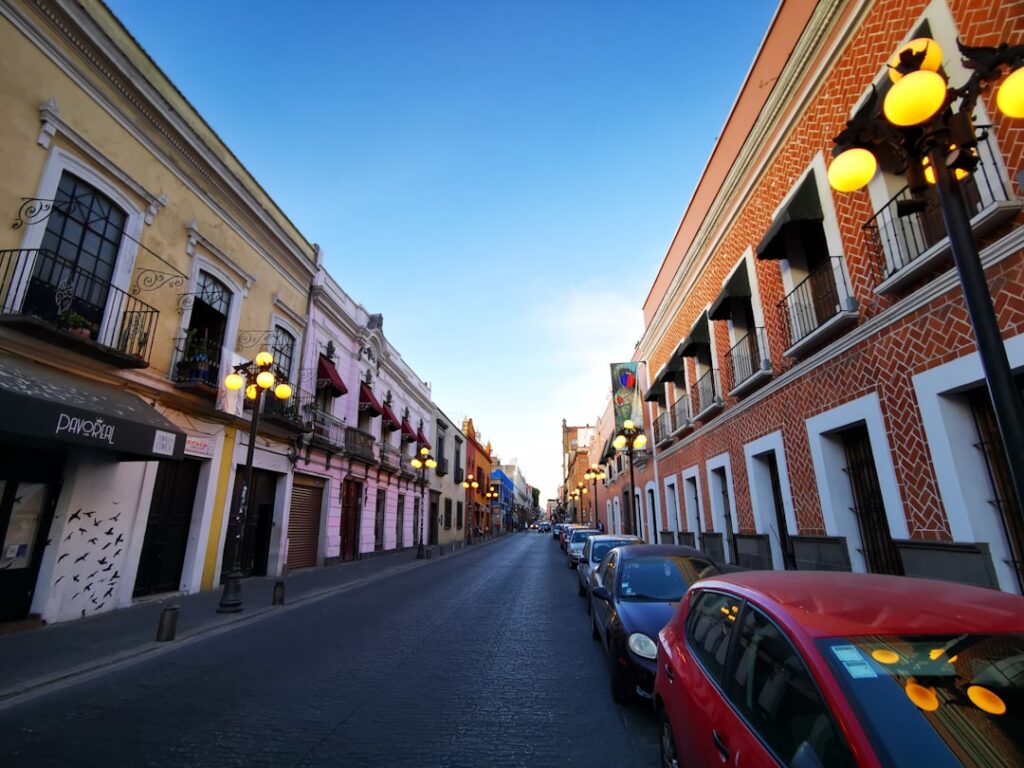
At about seven in the evening on a warm spring day, the bells around Plaza del Pilar bounce off the stone in a way that makes the whole old town sound closer than it is. You can be standing by the Roman walls near Calle Manifestación, hear a busker somewhere in El Tubo, and smell frying borraja croquettes before you’ve even decided where to eat. That is the real advantage of staying in the historic centre of Zaragoza: not just monuments, but proximity to the small, slightly chaotic pleasures that make the city feel lived-in rather than staged.
If you are wondering where to stay in Zaragoza old town, spring is the season when the answer matters most. The days are long enough to walk everywhere, the heat has not yet turned the paving stones into a griddle, and the city’s best landmarks, churches, tapas streets and riverside viewpoints all sit within an easy radius. The old town is compact, handsome and, for British travellers especially, refreshingly unshowy. It does not beg for attention. You have to meet it halfway, and once you do, it is very hard not to like it.
Why stay in the old town at all when Zaragoza is so easy to cross?
Because convenience in Zaragoza is not about transport, but about rhythm. Yes, the city is manageable, and you can cross large parts of the centre quickly. But staying in the casco antiguo means you step straight into the part of Zaragoza that still feels layered: Roman remains underfoot, Renaissance facades around the corner, baroque church towers looming above late-night kebab shops, and breakfast cafés opening beside streets that were once part of a medieval market quarter.
For first-time visitors, the old town gives you the best version of the city on foot. Plaza del Pilar, La Seo, La Lonja, the Puente de Piedra, the Roman forum museum area, El Tubo and the main shopping streets around Plaza España all connect naturally. You do not have to plan your day in military style; you can drift. That matters in spring, when the weather invites exactly that sort of wandering.
It also answers the question people often ask in a slightly doubtful tone: is Zaragoza worth visiting? Honestly, yes, especially if you prefer places that have substance without turning every street into a queue. It is not as theatrically polished as Seville or as immediately dramatic as Granada. What it offers instead is depth, excellent food, serious history and a centre where daily life still overwhelms tourism. For many travellers, that is the better bargain.
An insider detail that tends to surprise people: one of the most atmospheric moments in the old town is not inside a major monument at all, but the short walk from the back of La Lonja towards the river at dusk, when the basilica domes begin to glow and the Ebro wind suddenly cools the square. Stay centrally, and you can do that whenever you like, not just once between train times.
Which hotels in the old town let you walk everywhere without paying a fortune?
If you want a practical answer to where to stay in Zaragoza old town, start with properties that keep you within a ten-minute walk of Plaza del Pilar. In this part of the city, a few hundred metres really changes the feel of a stay.
Hotel Río Arga, on Calle Contamina, 20, is one of the handiest addresses in the centre. From here, Plaza del Pilar is roughly a 3-minute walk, about 250 metres. Check-in runs from 14:00 to 23:30, and check-out is between 06:00 and 12:00, which is useful if you have an early train. Prices are usually among the most reasonable in the area: from around 40 euros for a single, 45 euros for a double, 65 euros for a triple and 80 euros for a quadruple. It is not glamorous, but the location is excellent if your priority is sleeping centrally and spending your money on meals and museums instead.
Hotel Oriente, at Calle del Coso, 11, sits about 400 metres from Plaza del Pilar, around 5 minutes on foot. Check-in starts at 14:00 and check-out is until 12:00. Rates are orientatively 65 euros and up for a single, 70 euros and up for a double, and 85 euros and up for a triple. This stretch of El Coso gives you a nice balance: old-town access, easy walking to El Tubo, and less of the late-night noise you can get in the tightest tapas lanes.
Hotel Hesperia Zaragoza Centro, on Calle del Conde de Aranda, 48, is a slightly longer walk at around 10 minutes or 800 metres from Plaza del Pilar. Check-in is from 15:00 and check-out until 12:00, with doubles from around 60 euros. It works well if you want central access with a touch more breathing space on the western side of the old centre.
Eh – Apartamentos Heroísmo, at Calle Heroísmo, 7, is roughly 15 minutes on foot from Plaza del Pilar, about 1.2 km, with prices from around 55 euros per night. Check-in is from 14:00 and check-out until 12:00. This is a good compromise if you prefer apartment living and do not mind a longer walk through the eastern side of the centre.
One personal tip, if you want something more polished without losing the old-town location: ZaragozaHome has two apartments at Puerta Cinegia, right between El Tubo and Plaza España, with private parking included, a 9.8 rating on Booking.com and rates from 85 euros a night. For a spring city break, that location is hard to beat because you are tucked between the tapas quarter and the main shopping streets, but still within easy walking distance of the Pilar.
The unexpected bit? In Zaragoza, the difference between a hotel that is “central” and one that is genuinely useful can be a single awkward street. The old town still has pockets that feel dead after midnight and others that stay noisy until two. Calle Contamina and the Puerta Cinegia area tend to get that balance right.
Why La Seo is more interesting than the Pilar and hardly anyone tells you?
The Basílica del Pilar gets the postcards, the skyline and most of the first-time attention. Fair enough: it is one of the major Marian shrines in the world, and the setting on Plaza del Pilar is magnificent. But if you want the church that reveals Zaragoza’s real historical personality, go next door to La Seo.
What makes La Seo more compelling is not scale, but complexity. It tells the city’s story in layers: Roman, Islamic, medieval Christian, Mudéjar, Renaissance, baroque. The exterior and parts of the structure preserve that mixture in a way the Pilar, for all its grandeur, does not. Zaragoza was never a one-style city, and La Seo shows that better than any other building in town.
There is also a pleasingly unflashy local truth here: many residents who have spent years bringing visiting friends around the old town will quietly admit they find La Seo more rewarding. The Pilar inspires; La Seo explains. If you are interested in history rather than just monumental scale, that matters.
The square between them is one of the best places to understand medieval and early modern Zaragoza in a single glance. On one side you have the monumental mass of the basilica; nearby sits La Lonja, built in the 16th century and one of the finest examples of Aragonese Renaissance architecture. Today it serves as an exhibition hall, but even if you simply study its facade and step inside briefly, it gives you a sense of the mercantile confidence Zaragoza once had. The old exchange building standing beside a great pilgrimage church is not an accident; it is the city in miniature, piety and commerce sharing the same square.
Unexpected detail: many visitors hurry straight through Plaza del Pilar, but the stone benches and edges around La Lonja are among the best places to pause in late afternoon. The light there in spring is kinder than in summer, and it is one of the few major squares in Spain where you can still sit and watch local families, school groups, pensioners and camera-wielding tourists all mingle without feeling trapped in an outdoor museum.
What can you actually do on foot from your hotel in one spring day?
Quite a lot, and this is where things to do in Zaragoza become more persuasive than people expect. Start early in Plaza del Pilar before the school groups arrive. From most central hotels, you can get there in under ten minutes. Walk the length of the square, dip into the basilica, then cross towards La Seo and La Lonja while the morning light still sits low on the facades.
From there, head to the Puente de Piedra, the medieval bridge over the Ebro dating from the 15th century. It has seen more of Zaragoza’s history than any guide ever quite manages to convey, and the view back towards the basilica domes is one of the city’s classic panoramas for good reason. In spring, when the air is clearer and the riverbanks have not yet gone dusty with summer heat, it is especially lovely. If you are a photographer, this is your easy win.
Double back into the old quarter and lose an hour in the small streets leading towards El Tubo. Even if you are not eating yet, it is worth scouting the lanes in daylight. This part of town works best when you know the geography before the lunchtime crush starts. A stop I always recommend is Bodegas Almau on Calle Estébanes, partly because it is reliably atmospheric and partly because it still feels like old Zaragoza rather than a tapas theme park. It is one of those places where the vermouth matters and the snacks are not just decoration. The city has a talent for serving simple things with theatrical flair; if squid comes to you in a wine glass, you are in the right mood.
After lunch, walk south towards Plaza España and the shopping arteries if you want urban bustle, or head back towards the Roman remains and quieter streets if you do not. The beauty of staying in the old town is that both moods are available without any logistical effort. In spring you can comfortably split the day this way: monuments in the morning, vermouth and tapas at midday, a siesta or hotel break, then another walk out at dusk.
The insider trick is timing the riverfront for early evening, not midday. Zaragoza’s spring weather can still surprise you with sharp wind off the Ebro. Around sunset, though, the old town gains atmosphere very quickly, and the walk from the bridge back into the lit-up centre is one of the strongest arguments for staying overnight rather than passing through on a day trip.
Where should you stay if you want atmosphere, sleep and decent food within five minutes?
The sweet spot is the area between Plaza España, Calle Alfonso and the outer edge of El Tubo. Too deep inside the tapas maze and you risk hearing chairs scraped over stone until late. Too far west and you lose that marvellous ability to pop out for one drink and accidentally see half the old town before bed.
If food is part of why you travel, staying near Puerta Cinegia or along the more connected sections of El Coso works very well. You are close to tapas bars, bakeries and breakfast cafés, but also on a direct walking line to Plaza del Pilar. It is a more practical base than being right on the square itself, which can feel oddly exposed and quieter at certain hours than people imagine.
For travellers who like a local neighbourhood edge, the streets around Heroísmo and the eastern side of the centre can be appealing, especially if apartment living suits you. The trade-off is distance: those extra ten minutes each way are noticeable if you come back to rest in the afternoon.
One thing British travellers often underestimate is how much Zaragoza still runs on local routines. The old town is not a polished “historic district” in the way some European centres are. A brilliant tapas bar may sit next to a hardware shop, a slightly scruffy lottery office and a church door you have somehow missed three times. That is part of the charm, but it means your exact street matters. If you want spring evenings filled with easy wandering, choose centrality over room size.
An unexpected detail worth knowing: Plaza del Pilar itself can feel windy enough in spring to send you in search of shelter faster than expected. Streets one or two blocks behind it are often much more pleasant for café stops and evening strolls.
Are there any 2026 dates that make booking the old town especially important?
Yes, and if your travel is flexible, these dates matter. The biggest is Fiestas del Pilar 2026, running from 10 to 18 October 2026. Strictly speaking that is autumn rather than spring, but it is by far the period when old-town accommodation becomes most competitive. The city fills with concerts, theatre, food events and the famous Ofrenda de Flores, when the centre becomes a vast moving river of people, flowers and traditional dress. If you are planning ahead for 2026, book very early if those dates are on your radar, especially anywhere within walking distance of Plaza del Pilar.
There are other dates worth noting too. Celtas Cortos are scheduled in Zaragoza on 27 February 2026, Barón Rojo play on 14 March 2026 at Sala Oasis, and Hombres G – Los Mejores Años de Nuestra Vida arrive at the Pabellón Príncipe Felipe on 21 November 2026. Concert nights do not transform hotel prices in the same way the Pilar festivities do, but they can tighten availability in the centre, particularly on weekends.
Another event on the city calendar is STOCK CAR 2026, from 7 to 10 May 2026 at Feria de Zaragoza. That venue is not in the old town, but trade-fair traffic and event visitors can still nudge up demand across the city. If you are visiting in spring and notice hotel rates looking oddly firm for May, this may be why.
The local trick is simple: if your real aim is to enjoy the old town itself, late April to early June is often ideal. You get long days, pleasant walking weather, and the city at a lively but not festival-crushed pace. Spring is when where to stay in Zaragoza old town becomes less about surviving crowds and more about choosing the right atmosphere.
So, is the old town the best base if you only have two nights?
Yes, almost certainly. Two nights is exactly the length of stay that benefits from being central enough to waste no time. You can arrive, drop your bag, and be at the Pilar or in El Tubo within minutes. You can wake early for the square, retreat in the afternoon, and still have the evening entirely on foot. Zaragoza rewards that kind of loose itinerary.
If you stay outside the centre, you may save a little money or gain a larger room, but you lose the best thing the city offers short-break travellers: coherence. The old town is not simply where the monuments are. It is where the city’s history, food and everyday life overlap most gracefully. That is what makes it worth choosing.
And if anyone tells you there is not enough to do here for a weekend, I would gently disagree. There are enough things to do in Zaragoza if you enjoy cities that reveal themselves slowly: churches that explain centuries of power shifts, bridges with proper views, squares you actually want to linger in, and bars where lunch mysteriously turns into sunset. The trick is not to over-schedule it.
FAQ
Where is the best area to stay in Zaragoza old town?
For most visitors, the best area is between Plaza España, El Tubo and the route up to Plaza del Pilar. It gives you the easiest walking access to the major landmarks, the best concentration of tapas bars, and a livelier atmosphere than the edges of the centre.
Is Zaragoza worth visiting for a weekend?
Yes. Zaragoza is especially good for a weekend if you like history, food and walkable city centres without overwhelming tourist crowds. Two nights is enough to see the main sights, enjoy proper tapas and get a real feel for the old town.
How many days do you need in Zaragoza?
Two to three days is ideal for most travellers. Two days covers the old town, the major churches, La Lonja, the Puente de Piedra and plenty of eating. A third day lets you slow down, revisit favourite spots and enjoy the city at a more local pace.
Stay right in the heart of Zaragoza’s old town
If you want a central base between El Tubo and Plaza España, ZaragozaHome’s Puerta Cinegia apartments are a smart choice: private parking, excellent reviews and an address that makes the best of the old town walkable in minutes.
Looking for accommodation in central Zaragoza? Our ZaragozaHome apartments are steps from the Pilar, La Seo and El Tubo. Private parking included and rated 9.8 on Booking.com.