Where to Stay in Zaragoza Old Town for a Summer History City Break: Hidden Stories, Roman Ruins and the 2026 Eclipse
From Roman walls and Mudéjar towers to late-night tapas lanes and the pull of the Pilar, Zaragoza’s old town makes an unusually rewarding city break. Here’s where to stay, what each pocket feels like on foot, and why 2026 is a particularly good year to go.
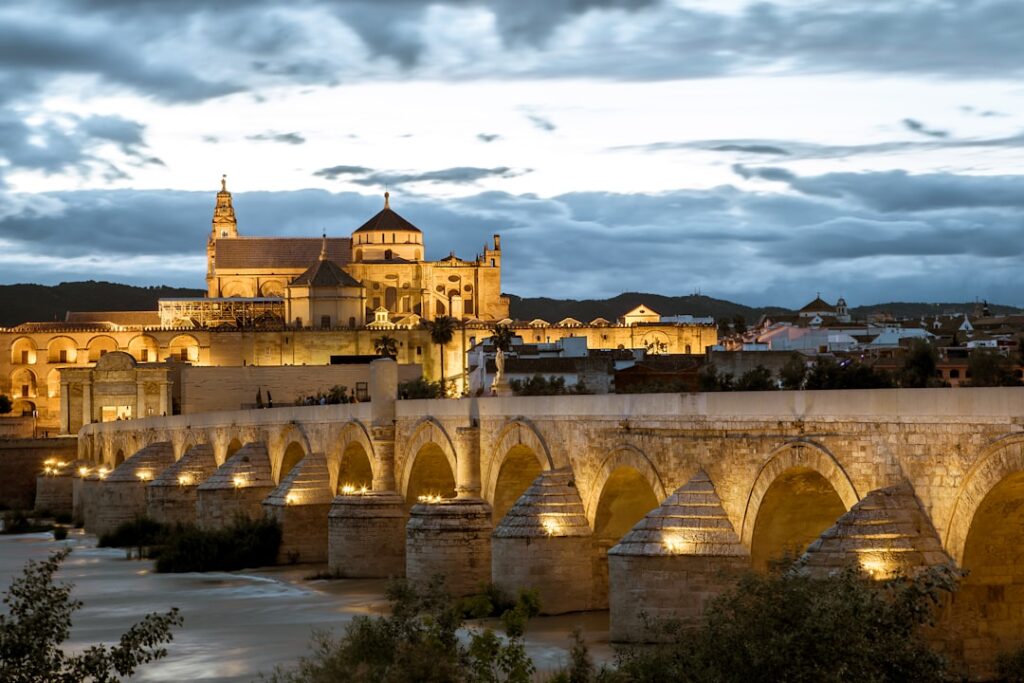
Just after sunset in high summer, when the stone is still holding the day’s heat, the best place to stand in Zaragoza’s old town is not inside the Basílica del Pilar but out on the paving beside La Seo, where church bells, tram bells and the clink of vermouth glasses all overlap for a few seconds. It is one of those oddly precise travel moments that tells you what sort of place you are in: monumental, yes, but also lived-in, slightly unruly and much more layered than most first-time visitors expect.
If you are wondering where to stay in Zaragoza old town for a summer trip, the short answer is: as close as possible to the stretch between Plaza del Pilar, La Seo, El Tubo and Plaza España. The better answer is that each few streets has its own rhythm. Some are best if you want Roman ruins and quiet mornings, others if your ideal Zaragoza city break involves midnight tapas and a five-minute stagger home. And 2026 adds another reason to look properly at the city rather than treating it as a stop between Madrid and Barcelona.
Why stay in the old town at all, when Zaragoza is so easy to cross?
Because the old town is where Zaragoza finally makes emotional sense. On a map, the city can look broad and administrative, with big avenues and modern districts that feel more practical than romantic. On foot, in the historic centre, it becomes something else entirely: Roman remains under your feet, Mudéjar brickwork above your head, baroque domes ahead of you and tapas alleys that fill up astonishingly late even on a Tuesday.
For a short summer break, staying here saves time and gives you the version of Zaragoza that people remember. From the old town you can walk to the Pilar, La Seo, the Roman forum museum, the central market, El Tubo and the riverside without thinking about transport. In the heat of July or August, that matters more than visitors from Britain often realise. Zaragoza’s summer is dry, bright and serious. You want to be able to retreat to your room in ten minutes, not half an hour.
The honest answer to “is Zaragoza worth visiting?” is yes, but not if you want the polished theatricality of Seville or the museum overload of Madrid. Zaragoza is worth visiting if you like cities that reveal themselves by accumulation: a chunk of Roman wall here, a tiny bar there, a grand square that opens almost suddenly, then a bridge from the 15th century crossing the Ebro as if it were the most natural thing in the world. The old town lets you feel that layering properly.
Which bit of the old town suits you best: Pilar, La Seo, El Tubo or the market side?
This is the real question behind where to stay in Zaragoza old town, because “old town” in practice means several subtly different micro-neighbourhoods.
Around Plaza del Pilar, you are in the postcard heart of the city. The upside is obvious: the basilica is three minutes away, the river is close and dawn or late evening in the square can be magnificent. The downside is that the area can feel exposed and busy, especially during big events or weekends.
Around La Seo and Don Jaime, the mood is more textured. You are still central, but the streets feel older, denser and slightly more local. This is a good choice if your ideal city break leans historic rather than party-first. The little surprise here is how quickly the atmosphere changes within a couple of blocks: one minute you are in a grand monumental square, the next you are on a narrower street where balconies almost seem to lean into each other.
El Tubo and the lanes near Plaza España are best if food and nightlife matter. This is where you stay if you want to duck in and out of tapas bars without planning your evening. Bodegas Almau on Calle Estébanes is a classic stop, still loved by locals, and one of those places visitors tend to remember because the setting feels more intimate than designed. Nearby bars can get noisy, though, so light sleepers should think carefully.
The market side, around Calle Manifestación and the Central Market, is often the sweet spot. You stay close to everything but just far enough from the loudest parts of El Tubo. It also puts you near one of Zaragoza’s underrated pleasures: wandering to the market in the morning, then cutting back through quieter streets towards the Roman walls.
If you want a useful rule of thumb, stay within a ten-minute walk of Plaza del Pilar and choose your exact street according to noise tolerance. In summer, especially, being able to do nearly everything on foot is worth more than a rooftop pool in a less characterful district.
What are the best places to stay with real prices, addresses and walking times?
Here are three solid options in the historic centre, plus one personal tip, all with the practical details people actually need.
Hotel Don Jaime 54
Address: Calle de Don Jaime I, 54, 50001 Zaragoza
From €65 per night
About 3 minutes on foot from Plaza del Pilar, roughly 250 metres
This is one of the easiest hotels to recommend for a straightforward old-town stay. It is central enough that you can pop back to the room between sightseeing and dinner, which becomes a small luxury in the afternoon heat. It is a 3-star hotel, with cosy rooms and some balconies, plus a restaurant and bar on site. If you want that useful middle ground between convenience, price and not having to think too much, this works very well.
VTZ San Valero Boutique Hotel
Address: Calle de la Manifestación, 27, 50003 Zaragoza
From €59 per night
About 5 minutes on foot from Plaza del Pilar, roughly 400 metres
This 2-star option is in a particularly handy part of the old town, close to major sights but not planted right in the busiest square. Rooms come with a fridge, which is more useful in Zaragoza summer than it sounds; being able to keep cold water and fruit in your room is no small thing when temperatures climb. For travellers prioritising location over frills, it offers good value.
El Encanto del Casco by Alogest Zaragoza
Address: Calle Ramón Pignatelli, 9, 50004 Zaragoza
From €112 per night
About 10 minutes on foot from Plaza del Pilar, roughly 800 metres
This is a good pick if you prefer apartment living to a standard hotel room. It has modern interiors, a well-equipped kitchen and a reputation for comfortable beds and quick communication from the host. The address places you slightly west of the main monumental core, which can be a bonus if you like the idea of staying somewhere central but a little less obvious. It is still walkable to the essentials, just not quite as doorstep-close as the first two.
A local apartment tip
For travellers who want the freedom of an apartment but an ultra-central base, ZaragozaHome has two apartments at Puerta Cinegia, between El Tubo and Plaza España, with private parking included, a 9.8 rating on Booking.com and rates from €85 a night. That location is hard to beat if your plan is to spend the day on foot and the evening drifting between bars and squares.
One practical point many guides skip: if you are driving, parking is often the factor that changes everything in the old town. Narrow streets and pedestrian restrictions can turn arrival into an unnecessary headache. Included parking, when you can get it, is not a luxury here; it is peace of mind.
Why La Seo is more interesting than the Pilar and hardly anyone says so
The Pilar is the city’s symbol, and it would be absurd to pretend otherwise. Its scale, domes and position by the Ebro are thrilling, especially the first time you cross the square and see it opening up ahead. But if you are choosing where to stay in Zaragoza old town because you care about history rather than checklist tourism, La Seo often rewards more.
For a start, it tells a messier, more revealing story. Built on the site of the Roman forum and later the main mosque, the cathedral contains the city’s layered identity in a more legible way than the Pilar does. The exterior Mudéjar wall and apse are among the great details of Zaragoza, and they are still surprisingly underappreciated by visitors who rush straight to the bigger basilica.
The unexpected thing about La Seo is how intimate it feels given its historical weight. You can stand outside and read centuries in the brickwork. This is the sort of place where Zaragoza becomes far more than a stopover. If you stay nearby, you can come back at quieter times: early in the morning before the tour groups thicken, or at dusk when the square softens and the cathedral’s details seem to sharpen.
The Pilar, of course, comes with one of the city’s most enduring stories: according to tradition, the Virgin Mary appeared here to the apostle Santiago in AD 40, making it the first church dedicated to the Virgin in Christian history. Whether you approach that as faith, legend or cultural memory, it gives the site unusual resonance. But for travellers who enjoy architecture as a conversation across centuries, La Seo is often the richer stop.
Where do the Roman ruins and hidden history actually fit into a weekend?
Better than you think. One reason a Zaragoza city break works so well is that the historic layers are tightly packed. You do not need a military-grade itinerary; you need shoes that can handle paving stones and the willingness to duck into a museum when the heat peaks.
Start with the Roman remains around Plaza de la Seo and Plaza del Pilar. Caesaraugusta was an important Roman city, and fragments of it survive in a way that feels integrated rather than staged. The route many people miss is the one linking the Roman forum area to the surviving city walls near the Central Market. Those walls are not decorative leftovers; they are a reminder that Zaragoza was once a fortified Roman colony with the confidence to build in stone and stay visible.
Then cross to the Puente de Piedra, the old Stone Bridge, built in the 15th century and still one of the best places to understand the city’s geography. It has watched floods, royal entries and ordinary daily life for centuries. Go early or late, not at midday. In summer, the light is flatter then and the bridge loses some of its magic; at dusk, with the basilica turning gold, it becomes one of the loveliest walks in the city.
There is also an underrated pleasure in the bits between the monuments: old shop signs, religious tiles on corners, shaded passageways and those occasional glimpses of interior courtyards when a doorway is left open. Zaragoza’s old town is not preserved like a museum quarter. It is a working centre, and that is precisely why the hidden details feel discovered rather than displayed.
Where should you eat and drink if you want the old town, not the tourist version of it?
You do not come to Zaragoza to eat badly, but it helps to know where not to overthink things. The old town is at its best when you treat eating as a series of stops rather than one monumental reservation.
El Tubo is the obvious starting point: a knot of narrow lanes packed with bars where tables spill out and dinner starts later than many British visitors expect. If you arrive at 7.30pm and find things half-awake, that is normal. By 9pm the mood shifts.
Bodegas Almau on Calle Estébanes is one of those places worth seeking out because it still feels itself. Order a vermouth and something small and salty, and do not rush. The point is not just the food; it is the old-town rhythm of pausing, standing, moving on.
For produce and people-watching, the Mercado Central is a strong morning stop. Even if you are not shopping seriously, it gives you a sense of the city away from the monument circuit. Come earlier rather than later if you want the market at full energy. If you are staying in an apartment with a kitchen, this is where Zaragoza starts making practical sense as well as cultural sense: excellent fruit, ham, cheese and picnic material within walking distance of your room.
The insider tip in summer is to build your day around shade and appetite. Sightsee hard in the morning, retreat or take a long lunch when the heat is fiercest, then re-emerge for tapas. Zaragoza rewards that rhythm. It punishes people who try to do everything at 3pm.
Why is 2026 a particularly good year for a Zaragoza city break?
Because the city will be especially lively, and not only in the obvious high-season way. Several 2026 dates make Zaragoza more tempting than usual for travellers who like to anchor a trip around culture.
Fiestas Goyescas run from 24 to 26 April 2026, with a renewed videomapping on the façade of the Ayuntamiento among the highlights. Even if you are not a Goya obsessive, it is a smart time to come: there is enough programming to make the city feel festive, but it is still rooted in local culture rather than generic event tourism.
Fiestas del Pilar 2026 take place from 10 to 18 October, with the Ofrenda de Flores on 12 October as the emotional centrepiece. Thousands of people in traditional dress bring flowers to the Virgin in Plaza del Pilar, and even long-term residents still talk about the scale and atmosphere. If you come then, book early and expect the old town to be busy, expensive and unforgettable.
The Festival de Jazz de Zaragoza 2026, from 12 to 22 November at the Sala Multiusos del Auditorio Princesa Leonor, will feature names including Kurt Elling and Paquito D’Rivera. November is not summer, of course, but it is an excellent reminder that Zaragoza has real cultural life beyond the peak tourist months.
And then there is the eclipse. For many travellers, 2026 will be a year of planning around the solar eclipse visible across parts of Spain in August, and Zaragoza sits in a very practical position for building that into a wider northern Spain itinerary. Even if the eclipse is what first puts the city on your radar, the old town is what will justify staying longer than one night. That is often how Zaragoza works: a practical reason gets you there, the atmosphere is what changes your mind about the place.
So, where should you stay if this is your first time?
If you want the simplest answer, choose Hotel Don Jaime 54 if being steps from everything matters most. Choose VTZ San Valero Boutique Hotel if you want value and a well-judged old-town location. Choose El Encanto del Casco if you prefer apartment space and self-catering. And if you want an apartment in the thick of things with parking included, the Puerta Cinegia option is particularly useful.
For most first-time visitors, the best zone is the walkable triangle between Plaza del Pilar, La Seo and Plaza España. It gives you history, food, atmosphere and practical convenience in one compact area. If you stay too far out, Zaragoza can feel more ordinary than it deserves. Stay here, and you get the version of the city that quietly converts sceptics.
That, really, is the final argument for the old town. It does not need to overwhelm you to win you over. It just needs a couple of evenings, a room within walking distance of the bells and bridges, and enough unstructured time for the hidden stories to find you.
FAQ
Is Zaragoza worth visiting for a short city break?
Yes, especially if you like history, walkable old centres and excellent food without the intensity or crowds of Spain’s bigger tourist cities. Two or three nights is enough to see the main sights and enjoy the old town properly.
What is the best area to stay in Zaragoza for tourists?
The best area for most visitors is the old town between Plaza del Pilar, La Seo, El Tubo and Plaza España. You can walk to the main monuments, tapas streets and riverside, which is particularly useful in summer.
How many days do you need in Zaragoza?
Two nights is the minimum for a satisfying trip. Three nights is better if you want time for museums, Roman sites, long lunches and evenings in El Tubo without rushing.
Looking for accommodation in central Zaragoza? Our ZaragozaHome apartments are steps from the Pilar, La Seo and El Tubo. Private parking included and rated 9.8 on Booking.com.