Zaragoza City Break in Summer 2026: El Tubo Tapas, the 12 August Eclipse and Where to Stay in the Old Town
A local, honest guide to a summer 2026 Zaragoza city break, from late-night tapas in El Tubo to the city’s major monuments, festival dates and practical advice on where to stay in Zaragoza old town.
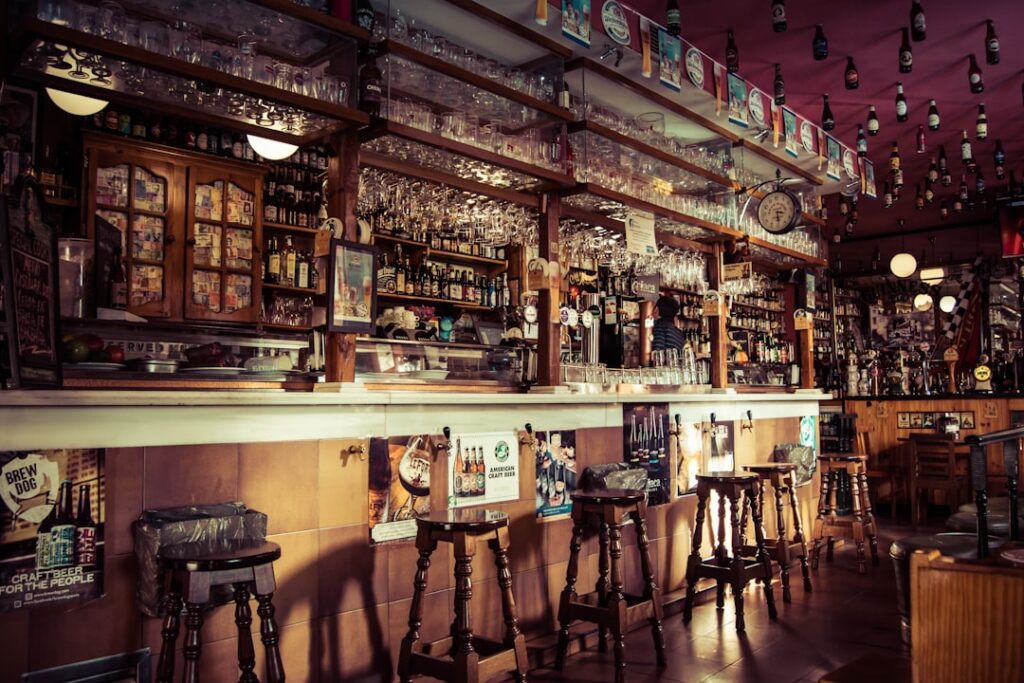
At about half past ten on a hot summer night, when the stone around Plaza Santa Marta is still giving back the day’s heat, Zaragoza makes its best first impression. You duck into El Tubo, order a vermouth, and suddenly dinner becomes a small pilgrimage from bar to bar: a plate of ternasco here, something fried and indecently good there, voices bouncing off impossibly narrow streets. Then, two minutes later, you emerge into the vast open sweep of Plaza del Pilar and the whole city seems to exhale.
That contrast is why I keep recommending Zaragoza to sceptical British travellers. It doesn’t show off in the obvious way that Seville or Barcelona do, and that’s part of its charm. For a summer 2026 escape, especially if you want serious food, walkable history and a base that still feels lived-in, a Zaragoza city break makes an unusually satisfying choice. Add the buzz around the 12 August eclipse, late sunsets over the Ebro and the old town’s excellent places to stay, and it becomes even easier to justify a few days here.
Is Zaragoza actually worth visiting for a weekend, or is it just a stop between Madrid and Barcelona?
Yes, it is worth visiting, and I say that knowing the usual objection: isn’t Zaragoza the place the train passes through while you’re going somewhere else? That reputation has done the city a disservice for years. What Zaragoza offers is not a checklist of blockbuster sights but a combination that works brilliantly for a short break: a genuinely impressive historic centre, one of Spain’s great bar-hopping districts, major monuments within easy walking distance and a strong sense that the city belongs to locals first.
The old town is compact enough that you can do a lot on foot without turning the trip into an endurance test. From Plaza del Pilar to La Seo is roughly five minutes on foot. The Aljafería, the city’s great Islamic palace, is around 20 minutes’ walk from the same square. That matters in August, when the heat is real and nobody wants to spend the day commuting between sights.
What tends to win people over is the rhythm of the place. Mornings can be about churches, palaces and shaded streets; afternoons slow down properly; evenings belong to terraces and tapas. Zaragoza feels less curated than many Spanish city-break favourites. You will see office workers, grandparents, students, wedding parties, football fans and tourists all using the same streets. For travellers who like cities with texture rather than polish, that is a genuine asset.
The honest caveat is that if you want beaches, Gaudí-style spectacle or a round-the-clock tourist entertainment machine, this may not be your place. But if you want a weekend of excellent food, layered history and one of Spain’s most agreeable urban centres, Zaragoza is more than worth the detour. It is the destination.
Why does El Tubo still feel like the soul of a Zaragoza city break?
Because it isn’t just a tapas district; it is the social engine room of the old town. El Tubo is a tangle of narrow lanes just off Plaza España and Calle Alfonso I, and it works best if you don’t treat it like a formal meal. The local method is to take one thing and one drink in each place, then move on before you get too comfortable.
Two names I nearly always give first-time visitors are Bodegas Almau and La Ternasca. Bodegas Almau, on Calle Estébanes, has that old-fashioned Zaragoza gift for making something simple feel ceremonial. It is the sort of place where a fortified wine and a sharply flavoured tapa can reset your entire evening. La Ternasca is one of the most reliable places in the area if you want to try Aragón’s signature lamb in a form that feels approachable rather than daunting.
The trick in El Tubo is timing. Arrive too early and some places feel half awake; arrive too late on a weekend and you may spend more time edging sideways through crowds than actually eating. Around 9pm to 10pm is usually a sweet spot in summer. Another small local detail: do not expect the prettiest streets of the day to look their best at noon. El Tubo comes alive under warm artificial light, with shutters up and people spilling into the lanes.
If you want a more formal meal after all that grazing, Casa Lac is one of the city’s great old addresses. Founded in 1825, it is often described as Zaragoza’s oldest restaurant and still feels rooted in Aragonese cooking rather than generic fine dining. At the more rarefied end, La Prensa, with its Michelin star, is the place to book if your city break has a celebratory motive.
The reason El Tubo matters so much is practical as well as atmospheric. If you are deciding where to stay in Zaragoza old town, being able to wander home after a long tapas evening is a luxury you will appreciate on day one, and even more on day three.
Why is La Seo often more interesting than the Pilar, even though everyone photographs the Basilica first?
The Basilica del Pilar gets the postcard treatment, and fairly enough. It dominates the riverfront and the scale is thrilling when you step into Plaza del Pilar for the first time. According to tradition, this is the site where the Virgin Mary appeared to the apostle James in AD 40, making it the first Marian shrine in Christendom. Even if you are not religious, that story has shaped the identity of Zaragoza for centuries.
But if you ask me which building rewards close attention, I often say La Seo. It has a more layered personality. The cathedral stands only about five minutes on foot from the Pilar, yet many visitors hurry past it, assuming one big church is much like another. It isn’t. La Seo reveals Zaragoza’s complicated history in stone, brick and ornament, and it feels more intimate, more human in scale, and somehow more surprising.
There is also a practical reason to prioritise it. Entry to La Seo is modestly priced: €4 for adults, €3 for students and pensioners, and free for children under 10. Opening hours are Monday to Saturday from 10:00 to 14:00 and 16:00 to 18:30, and Sundays and public holidays from 10:00 to 12:00 and 16:00 to 18:30. That afternoon reopening catches people out; I have seen more than one visitor assume the doors stay open straight through, only to find themselves waiting in the square.
The Pilar, by contrast, is free to enter and keeps longer hours: Monday to Saturday from 6:45 to 20:30, and Sundays and public holidays from 6:45 to 21:30. That makes it easy to slip into at different times of day. Go once in the morning for the scale and again in the evening when the square is cooling down and the atmosphere softens.
If time is short, do both, but do not let La Seo become the optional extra. The classic Zaragoza mistake is to admire the Pilar, take the photographs, buy the magnet and miss the building next door that says more about the city’s long, layered past.
What makes the Aljafería essential, even if you usually skip palaces?
The Palacio de la Aljafería is one of those monuments that changes your understanding of the city the moment you walk inside. From the outside, some visitors expect a stern fortress and little else. Then you enter and realise you are standing in one of the most important surviving examples of Islamic architecture in Spain, built in the 11th century when Zaragoza was a taifa kingdom.
Its history is unusually rich. The building has served as an Islamic palace, a royal residence, a fortress and, in modern times, the seat of the Aragonese parliament. That layered life gives it an atmosphere many single-period monuments lack. There is grandeur here, certainly, but also evidence of constant reinvention, which suits Zaragoza rather well.
For a practical city-break itinerary, it is pleasingly manageable. From Plaza del Pilar, the walk takes around 20 minutes, so you can easily pair it with lunch back in the old town. Opening hours are daily from 10:00 to 14:00 and 16:30 to 20:00. Entry costs €5 for adults, €1 for students and pensioners, and is free for children under 12. That is one of the best-value major-monument tickets in Spain.
An insider tip: do not leave the Aljafería until the very end of the afternoon session if you dislike crowds. Early evening tends to be calmer, and the warmer light makes the courtyards and stonework more memorable. It also helps with summer temperatures, which can be punishing at midday.
If you are choosing between one paid monument and another, I would put the Aljafería at the top of the list. It gives Zaragoza an historical dimension that many first-time visitors simply do not expect.
How should you plan around the 12 August eclipse and other big 2026 dates?
Summer 2026 has an extra frisson because of the 12 August eclipse, which is generating real excitement across Spain. Even if Zaragoza is not the only place people will consider for eclipse travel, it is a very appealing urban base: easy to navigate, full of open public space and lively enough to make a special-event trip feel like a holiday rather than a logistical exercise.
If you are coming specifically for that week, book accommodation early, especially in the old town. The closer you are to Plaza del Pilar, Plaza España and the lanes around El Tubo, the easier it will be to enjoy the city on foot while the streets are busy. Summer visitors tend to underestimate how much more pleasant Zaragoza becomes when you can retreat to your room for an hour during the hottest part of the afternoon and then head back out for the evening.
There are two other 2026 dates well worth having in mind. Vive Latino Zaragoza takes place on 4 and 5 September 2026 at the Espacio Expo, with names including Amaia, Loquillo and Rigoberta Bandini. If your ideal city break includes live music and a younger, festival-charged atmosphere, this is an excellent moment to come.
Then there are the Fiestas del Pilar, running from 10 to 18 October 2026, with the Ofrenda de Flores on 12 October as the emotional and visual centrepiece. During those days, Zaragoza is at its most exuberant and most crowded. It is magnificent if you enjoy cities in full celebration mode; less so if you prefer quiet museum mornings and spontaneous restaurant bookings.
Later in the year, the Festival de Jazz de Zaragoza runs from 12 to 22 November 2026, with artists including Kurt Elling and Paquito D’Rivera. Not summer, of course, but worth noting if this article persuades you that Zaragoza deserves a second trip.
Whichever date you choose, do check official websites before travelling. Opening times, access arrangements and event details can shift, and big-city weeks always bring a few practical surprises.
Where to stay in Zaragoza old town if you want to eat well and walk everywhere?
If food, atmosphere and convenience matter to you, stay in or near the old town. It sounds obvious, but in Zaragoza the difference is significant. The best version of the city happens when you can walk out in the early evening, drift into El Tubo for a first glass, cross to Plaza del Pilar after dinner and still be back in your room in ten minutes.
The area around Plaza España, Calle Alfonso I, Puerta Cinegia and the streets edging El Tubo is especially practical. You are close to the monuments, surrounded by places to eat, and well positioned for taxis, buses and simple station transfers. It is also the answer most people are really looking for when they search where to stay in Zaragoza old town: somewhere central enough to feel the city, but not so awkward that every arrival and departure becomes a puzzle.
One genuinely useful option is ZaragozaHome, which has two apartments at Puerta Cinegia, right between El Tubo and Plaza España. For a short break, the details make sense: private parking included, a strong 9.8 rating on Booking.com, and prices from €85 per night. For couples or friends who want the freedom of an apartment without sacrificing location, it is the sort of practical recommendation locals quietly pass on.
If you are sensitive to noise, ask specifically about windows, floor level and soundproofing wherever you book in the old town. This is not a warning so much as a realistic note. Central Zaragoza is lively, and that is largely why you are staying there. Most visitors would rather have a little street life than a sterile room miles from dinner, but it helps to know your own tolerance before booking.
What does a really good summer day in Zaragoza look like, hour by hour?
Start early, and Zaragoza will reward you. In August, I like beginning around the Pilar while the square is still relatively calm and the light is flatter and kinder. Because the basilica opens from 6:45, you can visit long before most city-break schedules have properly begun. Afterwards, walk to La Seo for its morning session if you want to see both cathedrals before lunch.
Late morning is a good time to take on the Aljafería or simply wander the old town’s smaller streets while shops are open and the city still feels brisk. By early afternoon, especially in high summer, you should do what locals do and slow down. Lunch can be long; a break indoors is wise rather than lazy.
As the heat eases, head out again. This is the moment for Plaza del Pilar, the riverfront and the broad ceremonial spaces that feel too exposed earlier in the day. The city’s scale suddenly makes sense in the evening. Then, once it is properly dark, fold yourself back into the intimacy of El Tubo.
One unexpected pleasure of Zaragoza is how close these moods are to one another. In a single day you can move from sacred grandeur to Islamic history to loud, affectionate tapas chaos without ever feeling you have crossed a huge metropolis. That ease is one reason the city works so well for a weekend: it gives you variety without friction.
Which practical details do visitors usually miss until it’s too late?
First, monument timetables in Zaragoza often break for the afternoon. Both La Seo and the Aljafería close between sessions, so do not assume continuous opening. In summer, that gap can actually help you shape a better day: indoor sight-seeing in the morning, lunch and rest in the hottest hours, another visit later.
Second, free entry does not always mean flexible entry. The Pilar costs nothing, which is generous, but because it remains an active religious site, your experience there depends partly on the rhythm of worship and crowd flow. Treat it as a living building, not a museum with pews.
Third, distances in the centre are shorter than many first-time visitors think. Plaza del Pilar to La Seo is about five minutes on foot. The Aljafería is about twenty minutes. That means taxis are often unnecessary if you pack light and stay centrally.
Finally, summer in Zaragoza is not a mild affair. The city can be fiercely hot in the middle of the day. The answer is not to avoid visiting, but to adopt local habits: start earlier, pause longer, dine later, and keep your most atmospheric wandering for the evening. If you do that, a summer Zaragoza city break feels not just manageable but glorious.
FAQ
How many days do you need in Zaragoza?
Two nights is enough for a satisfying first visit, especially if you stay in the old town and focus on the Pilar, La Seo, the Aljafería and El Tubo. Three nights is better if you want long meals, a slower pace and time to enjoy the city in the evening without rushing between sights.
Is Zaragoza good in August?
Yes, if you plan around the heat. Mornings and evenings are the city’s best hours in summer, and August 2026 will be especially interesting because of the 12 August eclipse. Book central accommodation early if you are travelling that week.
What is the best area to stay in Zaragoza for tourists?
For most visitors, the best area is the old town around Plaza España, Calle Alfonso I, Puerta Cinegia and El Tubo. You can walk to the main sights, eat very well nearby and enjoy Zaragoza’s evening atmosphere without relying on transport.
Stay in the heart of Zaragoza’s old town
If you want to be steps from El Tubo and Plaza España, ZaragozaHome’s Puerta Cinegia apartments are a smart base for a summer break, with private parking included, a 9.8 Booking.com score and rates from €85 per night.
Looking for accommodation in central Zaragoza? Our ZaragozaHome apartments are steps from the Pilar, La Seo and El Tubo. Private parking included and rated 9.8 on Booking.com.